
For months now, Spotify has quietly stripped millions of streams from songs across multiple genres, sparking renewed debate about inflated numbers and industry transparency. Though the streaming giant rarely discloses who’s impacted, patterns have emerged, revealing just how widespread the issue has become.
The latest sweep occurred days ago, part of an ongoing crackdown targeting suspicious streaming activity. While hip-hop fans have spent months speculating about bots—especially following the high-profile legal battle between Drake and journalist/rapper Mo-G—no major rap artist has officially been flagged in this wave. Instead, data shows a consistent pattern: international pop stars, particularly from K-pop and Afrobeats, have taken the biggest hits.
Stream purging began intensifying last December. On December 8, BTS member Jimin’s single “Like Crazy (Who)” lost over 7 million streams in a single day. Tracks by Jungkook, including “Seven,” “3D,” and “Standing Next to You,” saw deductions between 2.5 and 2.7 million each.
V’s “Love Me Again” dropped by 150,000. But those losses only reflect what appeared in Spotify’s public day-over-day update. Because stream adjustments aren’t always reflected in real-time, the true volume of deletions was likely much higher. In Jimin’s case, estimates suggest “Like Crazy (Who)” lost more than 13 million streams in one go.
For nearly four months, these recalibrations seemed to center on members of BTS and their solo efforts. That changed on April 1, when the fallout expanded to other high-performing artists beyond South Korea.
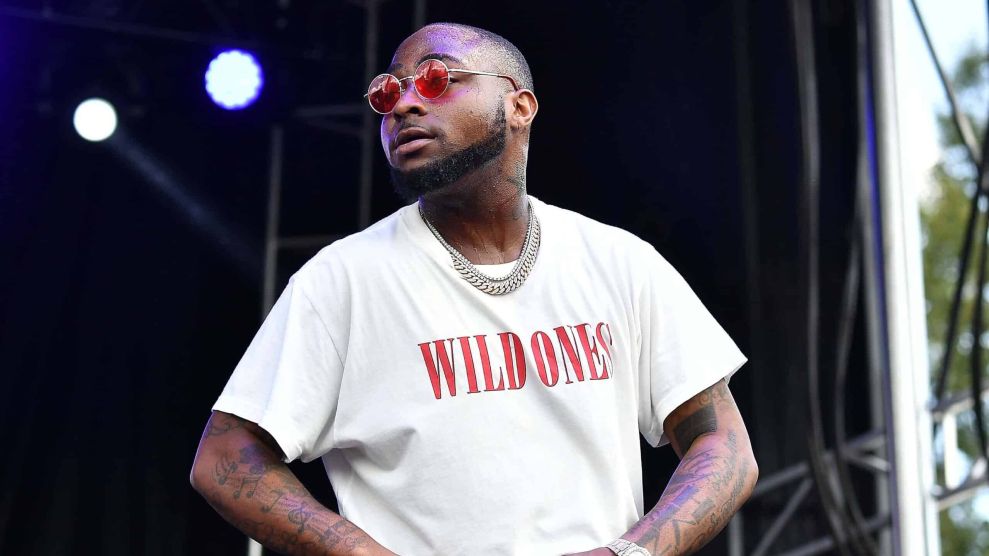
Nigerian superstar Davido became the latest major name to see his numbers fall. Reports claim his Timeless album—featuring the viral “Unavailable”—lost over 18 million streams during Spotify’s most recent removal cycle.
Though Spotify has not officially explained the specific criteria used to determine fraudulent activity, the removals appear to target accounts suspected of artificial streaming behavior, such as repeated plays from automated or low-engagement sources. Critics argue that the platform’s silence creates more confusion than clarity. Meanwhile, fans watch their favorite artists’ metrics swing wildly, with little context or accountability from the service overseeing them.
As debates over streaming manipulation continue, one fact is clear: the illusion of digital dominance is no longer safe. Behind every charting hit may be a shadow of artificial inflation, and Spotify seems determined to uncover the truth—one vanished stream at a time.
Leave a Reply