
Snoop Dogg chimes in on Diddy and what it means to be a good boss. A few weeks into the federal investigation surrounding Sean “Diddy” Combs, the core questions remain unanswered.
The Department of Justice has yet to reveal whether it can prove the sweeping charges of racketeering and sex trafficking against the once-powerful mogul. Still, as new details surface, one truth grows harder to deny: the portrait forming of Diddy’s workplace culture is bleak—and deeply troubling.
Even without a conviction, testimony and leaks have already painted Diddy as an abusive leader, a man who weaponized wealth and power against those closest to him. Allegations of manipulation, coercion, and systemic exploitation continue to emerge, reinforcing what many former associates have long hinted at behind closed doors.
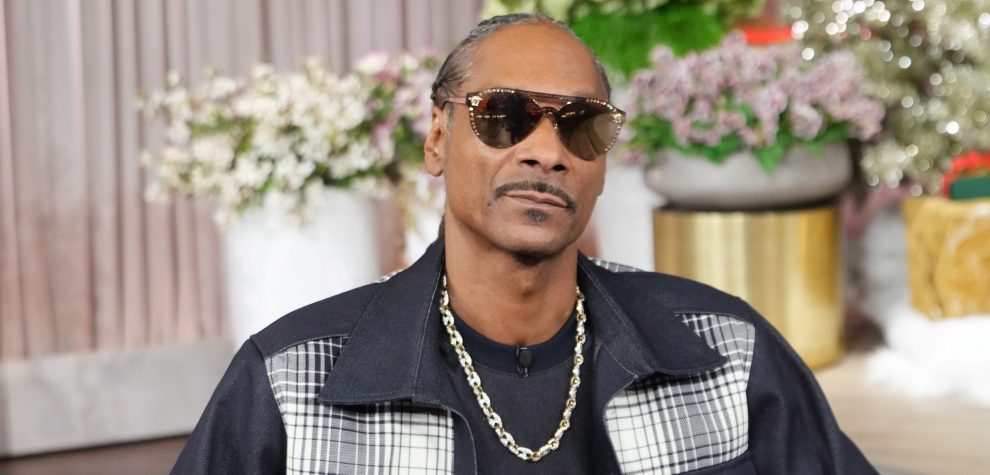
The Doggfather recently addressed the controversy in a candid moment that quickly drew attention. Reflecting on his own approach to leadership, the West Coast icon distanced himself from Diddy’s alleged conduct. “I don’t expect any of these types of things to be happening,” he said in a recent interview. “When I was given a position of power, I wanted to use it to treat people well—to make sure they work with me, not for me. And if the relationship ends, I want it to end with love.”
Snoop’s comments were praised by some for offering a rare ethical counterpoint. However, they also sparked criticism. The rap legend is currently facing a $107 million lawsuit filed by a former employee who claims she was never paid for her work on the relaunch of Death Row Records. Snoop has denied the allegations, calling the suit baseless and filing a motion to dismiss it. The case remains unresolved.
Despite the legal backdrop, Snoop Dogg’s remarks struck a chord in an industry where exploitative power dynamics are too often normalized. His words—though complicated by his own situation—highlight the stark contrast between two eras of hip-hop leadership. Diddy, once seen as the ultimate mogul, now stands accused of turning ambition into abuse. Snoop, meanwhile, positions himself as a boss who remembers what it feels like to be at the bottom of the chain.
The Diddy case has become more than a federal trial—it’s a referendum on legacy, power, and the dark cost of unchecked influence in entertainment. Each revelation chips away at the myth of the self-made mogul and raises a deeper question: At what point does success become something far more sinister?
While the legal process unfolds, public perception is shifting fast. The court of opinion is already delivering its own verdict, one interview, one exposé at a time.
Leave a Reply