
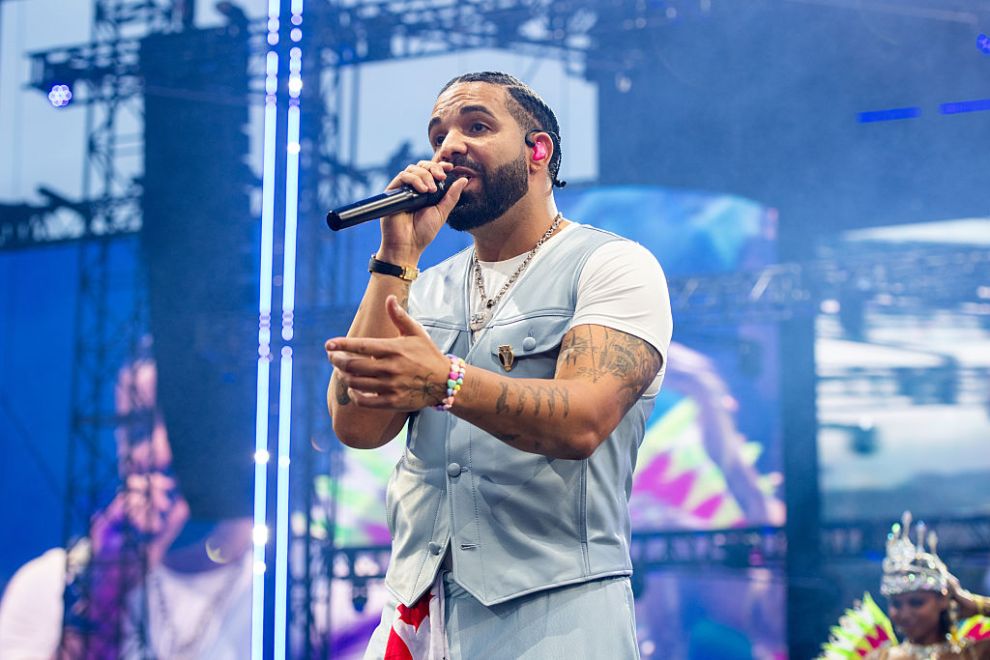
A high-stakes clash is rippling through the music industry as Lucian Grainge, chief executive of Universal Music Group, pushes back against Drake’s accusations of sabotage over Kendrick Lamar’s blistering diss track. Grainge maintains he had no prior knowledge of Not Like Us before it dropped—a claim that surfaces just as Drake weighs his future with the label and readies his forthcoming album, Iceman. The dispute has now spilled into the courts, pulling UMG’s top brass into the fray.
Court filings reported by Billboard and HipHopDX show Drake seeking access to Grainge’s private emails and text messages tied to Not Like Us. His attorneys are also demanding internal records that could reveal how the track—and its incendiary visuals—reached the public. In a sworn declaration, Grainge stated, “I had never heard the recording ‘Not Like Us,’ nor ever saw the corresponding cover art or music video, until after they were released by Interscope Records.” While acknowledging his role in managing UMG’s finances, he dismissed the idea that he approved or promoted the song as “groundless and indeed ridiculous.”
Pushback on Sabotage Claims
Grainge has also rejected any suggestion that UMG sought to undermine Drake, calling such allegations unfounded. He pointed out that the company has invested “hundreds of millions of dollars” in Drake’s career, including acquiring his recording catalog and publishing rights—a commitment he says runs counter to any intent to harm him. The executive went further, accusing Drake of channeling resources into personal vendettas rather than addressing disputes head-on. He implied the lawsuit may serve more to court media attention and influence contract talks than to resolve substantive issues.
The confrontation has sparked speculation over Drake’s next move—and what a public rift could mean for one of music’s most lucrative partnerships. It has also revived long-running questions about creative control, loyalty, and the spectacle of high-profile feuds in hip-hop. However the court rules, the case could leave lasting marks on how major labels handle disputes over artistic content—and on the extent to which executives shape, or shield themselves from, an artist’s most provocative work.
Leave a Reply