
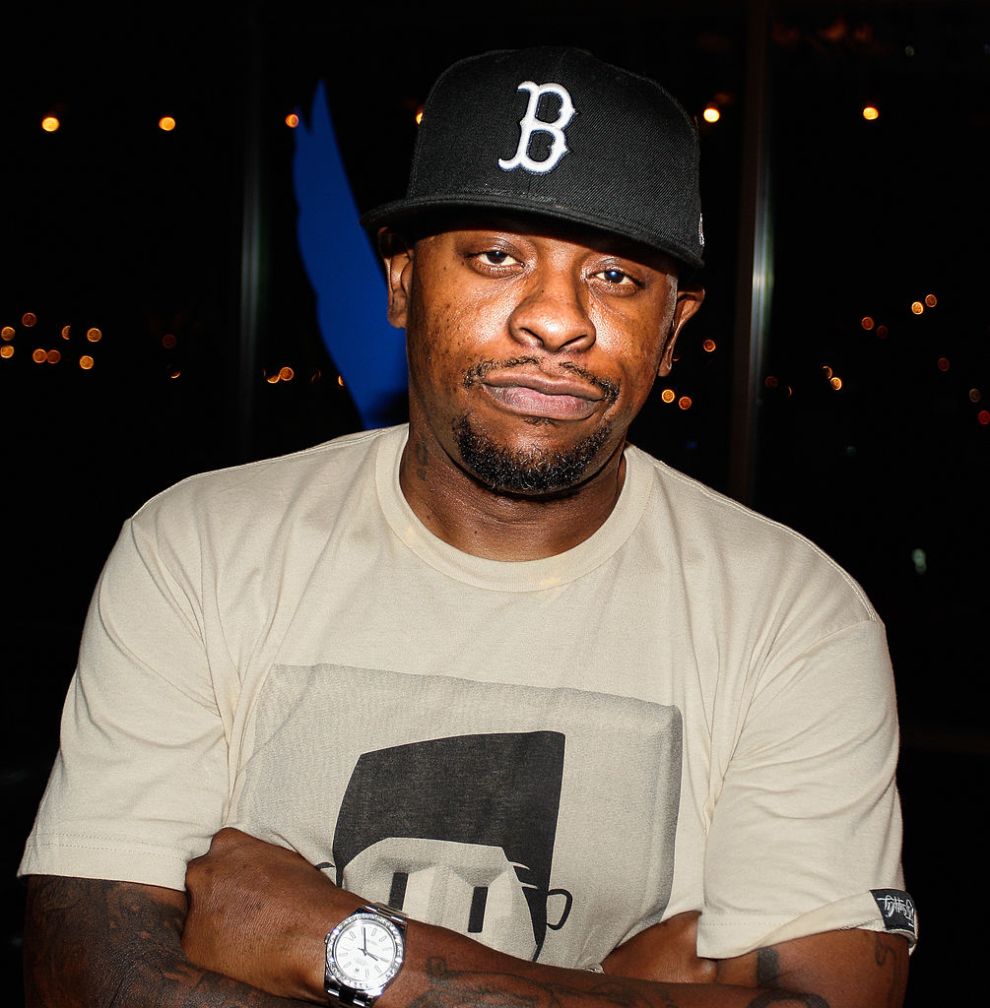
Scarface, the Houston rap icon who rose to prominence as a member of the Geto Boys, has long been regarded as one of the defining voices of Southern hip-hop. Best known for “Smile,” his haunting collaboration with Tupac Shakur, he has left an indelible mark on the genre. But in recent years, the veteran rapper has made clear that his relationship with the industry is more strained than celebratory.
In a candid sit-down with Shannon Sharpe on the Club Shay Shay Podcast, Scarface spoke with little restraint. He admitted he feels “very bitter” about the state of the business, singling out the murky politics of sampling as one of his deepest frustrations. When asked if he still approves requests to use his work, he offered a blunt reply: “I don’t care about anything that has anything to do with the music game anymore. Very bitter about it.”
Sharpe, surprised by his candor, pressed for more. Scarface pointed to longstanding disparities in how artists are treated, especially when it comes to contracts. “I would like to compare a Beastie Boys contract to a Geto Boys contract,” he said. “I’d like to see a Maze’s contract as opposed to a Van Halen contract. There’s a significant disparity in those pay scales.”
Scarface reflects on inequity and legacy
His remarks come as debates over equity and ownership continue to roil the music world. Recent flashpoints—including Drake’s high-profile dispute with Universal Music Group over promotional material tied to Kendrick Lamar’s “Not Like Us”—highlight the same systemic frustrations Scarface described. His words, in many ways, give voice to the discontent bubbling just beneath the surface of the industry.
Scarface also reflected on more personal chapters of his life, recalling the support he received during his battle with COVID-19 and kidney failure. Jay-Z and DJ Khaled, he said, stepped up at a time when he needed them most. “They threw me a lifeline,” he recalled, a simple acknowledgment that underscored the importance of friendship and generosity in moments of crisis.
Over the course of his career, Scarface has not only built an expansive catalog but also shaped the careers of those who came after him. In the early 2000s, he signed Ludacris to his first major record deal through Def Jam South. His collaborations with giants such as Tupac, Jay-Z, and Ice Cube helped cement his reputation, while many in the rap community continue to hail him as the “King of the South.”
Now in a reflective phase, Scarface’s words carry the weight of both experience and disillusionment. They serve as a reminder of the structural inequities that have long plagued the music business but also as proof of his enduring influence. His voice, weary but resolute, remains central to the conversation about artistry, fairness, and legacy in hip-hop.
Leave a Reply