
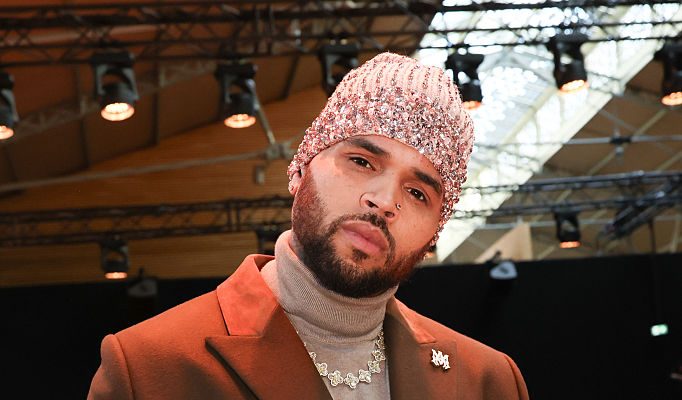
Chris Brown stirs up social media after reacting to Bad Bunny’s Super Bowl LX halftime show with a pointed Instagram post that many fans viewed as dismissive.
Chris Brown found himself at the center of fresh controversy after commenting on Bad Bunny’s headline-making Super Bowl LX halftime performance, igniting debate across social media about ego, representation, and the evolving meaning of the NFL’s biggest stage.
Moments after Bad Bunny wrapped his historic set on Sunday, Feb. 8, Brown posted a brief message to his Instagram Stories. “I think it’s safe to say… they need me,” the singer wrote, punctuating the line with a smirking emoji.
The timing was impossible to ignore, landing just as viewers were still processing a halftime show that leaned heavily into culture, identity, and global reach rather than traditional spectacle.
Bad Bunny used the Super Bowl platform to spotlight Puerto Rican pride and the worldwide impact of Latin music. His performance fused reggaeton and pop with political undertones, framing the halftime show as a statement as much as an entertainment event.
The set featured high-profile appearances from Lady Gaga and Cardi B, while actor Pedro Pascal appeared in support. Ricky Martin joined Bad Bunny for a performance of “Lo Que Pasó a Hawaii,” reinforcing the night’s cultural throughline.
Chris Brown Goes Viral Reacting To Bad Bunny’s Super Bowl LX Halftime Show, “They Need Me”
Online reaction to Brown’s comment was swift. Many fans praised Bad Bunny’s intent and execution, while criticizing Brown for centering himself during a moment they felt was bigger than any single artist.
“Chris Brown is a nasty individual for posting that,” one user wrote. “Bad Bunny’s performance was great and necessary for what’s happening right now.”
Another added, “Bad Bunny just put on a massive show and this man made it about himself. The desperation to stay relevant is loud.”
Others questioned whether Brown, 36, understood how the halftime show has changed. Once dominated by legacy hitmakers, the stage now carries cultural weight tied to representation, timing, and message.
Brown did not clarify or expand on his post, nor did he respond to the backlash. As the conversation continued to unfold, many observers framed the moment as a reminder that the Super Bowl halftime show now rewards artists who reflect the present moment, not just past dominance.
As the NFL’s biggest showcase continues to evolve, so do expectations. The halftime stage no longer offers just visibility. It offers meaning—and scrutiny.
Leave a Reply