
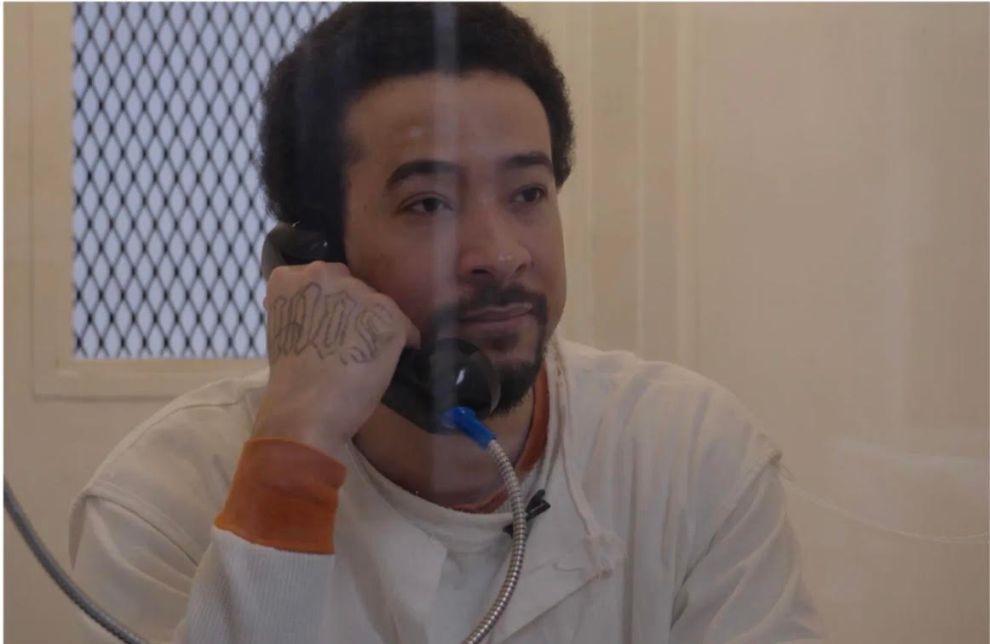
The looming execution of Texas death row inmate James Broadnax has sparked renewed legal scrutiny and rising support from prominent voices in hip-hop.
Broadnax’s attorneys are pressing courts to halt the execution after a new confession surfaced from another man, Demarius Cummings, who claims responsibility for the killings tied to the case. Cummings is Broadnax’s cousin. The admission now stands at the center of a legal fight that defense lawyers say exposes deep flaws in the original prosecution.
In a written statement submitted to the court, the man confessed that he carried out the shootings during a robbery that left two victims dead. He said Broadnax did not fire the weapon.
“In fact, I was the one who shot the victims, not James,” the statement reads. “The fact that James received a death sentence for these crimes has been weighing on my conscience.”
The confession also explains why the man came forward after years of silence.
“My hope is that James will not be executed for committing acts that he did not do,” he wrote.
Defense attorneys argue the admission reshapes the entire case. In court filings, lawyers said the confession “fundamentally undermines the State’s case” against Broadnax.
James Broadnax’s Cousin Confesses to Murder As Death Row Inmate’s Execution In Hip-Hop Defended Case Looms
They also contend Broadnax’s earlier statements occurred while he was under the influence of drugs and suffering psychological distress. According to the defense, forensic evidence tied the murder weapon only to the man who now claims responsibility.
The legal fight has attracted national attention beyond courtrooms. Several influential figures in hip-hop have publicly backed efforts to stop the execution.
Among them are Houston rap star Travis Scott, Atlanta lyricist Young Thug, and Grammy-winning rapper Killer Mike.
Their support has helped amplify calls for clemency while Broadnax’s legal team pushes forward with appeals.
Legal experts say the case highlights long-standing concerns surrounding capital punishment and wrongful convictions.
“This case illustrates why legal protections in the criminal justice system exist for a reason,” said constitutional law scholar Eric Freedman. “When they are ignored — as happens regrettably often in the death penalty system — it is hardly surprising that the system gets things wrong.”
Freedman also pointed to concerns surrounding the trial itself. He referenced the jury’s makeup and the prosecution’s use of rap lyrics as evidence.
“In this case, the proceedings were marred by racism in the selection of the jury and by the use of his rap lyrics as the basis for a death sentence,” Freedman said.
“If the system had performed as it should, he would not now be facing the death penalty.”
For Broadnax, the confession arrives at a critical moment. Courts must now decide whether the new evidence is enough to pause an execution.
Leave a Reply