
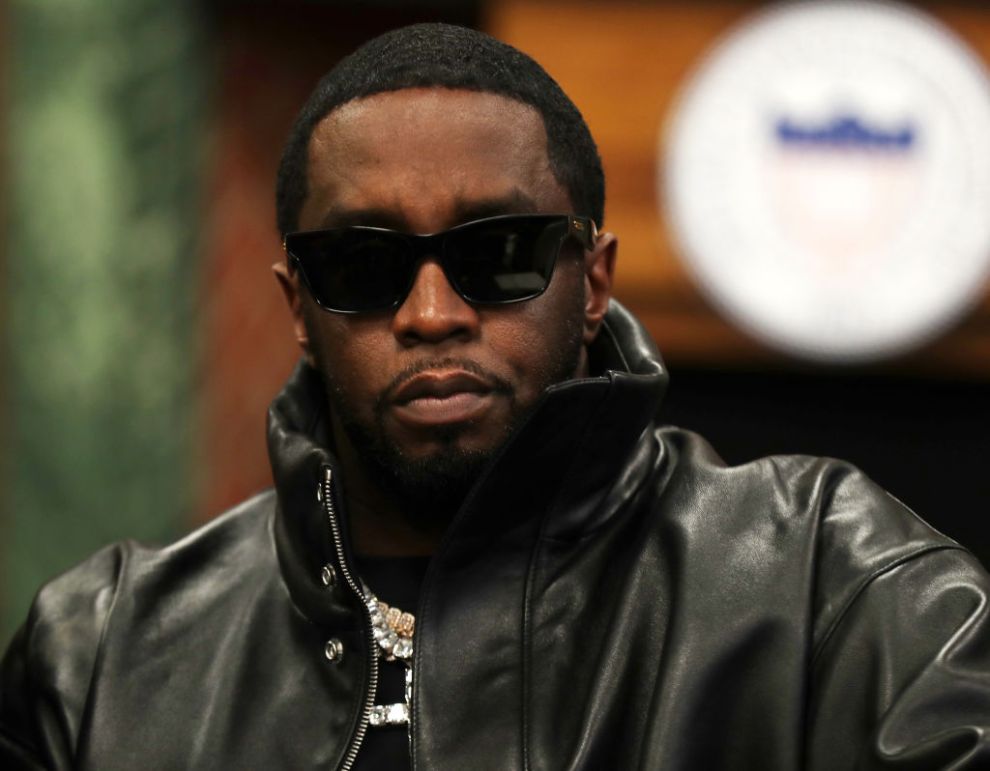
Sean “Diddy” Combs, Snoop Dogg, and the estates of The Notorious B.I.G. and Angie Stone are among the names involved in a new copyright lawsuit. The lawsuit alleges that two songs used elements from an earlier composition without authorization. It was filed by David Bravo and Jean Albert Renaud. Furthermore, the complaint claims that “Nasty Girl” and “I Wanna Thank Ya” incorporate parts of their 1980 song “Skatin’,” originally performed by Eumir Deodato. The plaintiffs argue that the earlier track’s “harmonic, rhythmic, and melodic” elements were used as the foundation for the later recordings.
Bravo and Renaud say they co-wrote and produced “Skatin’”. They also claim that portions of the song were used to support newly recorded vocals and rap performances. The lawsuit includes an assessment from musicologist and record producer Thomas Z. Shepard. The plaintiffs say Shepard identified similarities between the two works. The filing names Combs, Biggie’s estate, and Nelly in connection with the 2005 song “Nasty Girl.” Meanwhile, Snoop Dogg’s and Angie Stone’s estates are linked to the 2004 track “I Wanna Thank Ya.”
Producer Jazze Pha, who received credits on both songs, is also named as a defendant. The complaint also takes aim at Sony Music Publishing, accusing the company of failing to act on behalf of the original songwriters. Moreover, Bravo and Renaud allege that the publisher ignored its obligations after determining that pursuing a claim involving “Nasty Girl” presented a “conflict of interest.” This is because of Sony’s connections to other writers involved.
Lawsuit Raises Questions Over Sony Publishing’s Copyright Practices
“Sony Publishing deliberately turned a blind eye to the unauthorized use of Plaintiffs’ four-bar foundational backing track,” the lawsuit states. The complaint adds, “This flagrant disparity highlights that Sony Publishing’s refusal to protect Plaintiffs’ copyright was not an administrative oversight, but a calculated decision to maximize the profits of its other lucrative clients at the direct expense of Plaintiffs.”
According to the filing, Bravo and Renaud did not discover the alleged unauthorized use until May 2024. As a result, the lawsuit now places renewed attention on long-running debates over music sampling, copyright ownership, and the role publishers play in protecting creators’ work.
Leave a Reply