
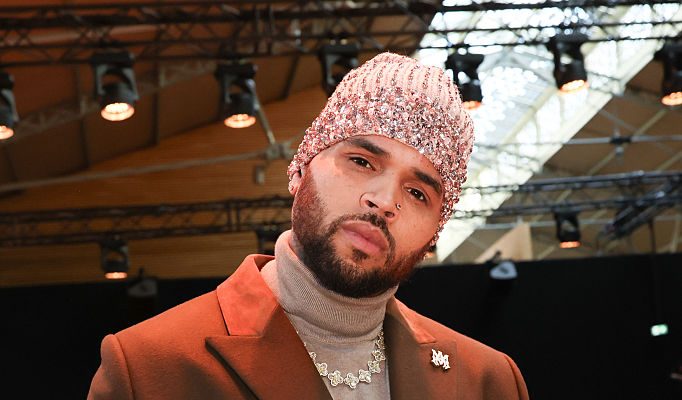
R&B singer Chris Brown’s guilty plea at London’s Southwark Crown Court has prompted legal analysis from prominent defense attorney Bradford Cohen, who described the resolution as a favorable strategic outcome despite the conviction.
In a July 24 post on X, Cohen, who represents rapper Kodak Black in multiple legal matters, argued that Brown’s legal team substantially reduced the singer’s potential criminal exposure by negotiating the dismissal of the most serious charges.
“The Chris Brown plea is a masterclass,” Cohen wrote.
Brown pleaded guilty to one count of affray in connection with a 2023 altercation at a London nightclub. As part of the plea agreement, prosecutors withdrew charges of assault, attempting to cause grievous bodily harm and possession of an offensive weapon.
Cohen pointed to that reduction as the defining feature of the case.
“Three heavier counts dropped, left with affray — a 3-year max the court almost never maxes out,” he wrote.
Chris Brown Won’t Do Jail Time Over London Brawl, Per Kodak Black’s Attorney Bradford Cohen
Under English law, affray carries a maximum prison sentence of three years. However, sentencing courts consider numerous aggravating and mitigating factors before determining whether a custodial sentence is appropriate.
Cohen also identified several factors he believes could weigh in Brown’s favor at sentencing.
“First UK conviction, guilty plea credit, no trial,” he wrote.
In England and Wales, defendants who enter guilty pleas commonly receive sentence reductions because they accept responsibility and avoid the need for a contested trial. A lack of prior convictions within the jurisdiction may also influence the court’s sentencing analysis.
Based on those considerations, Cohen predicted Brown would avoid incarceration.
“I’m calling it now: suspended sentence, he goes home,” Cohen wrote.
A suspended sentence allows a court to impose a prison term without requiring immediate custody, provided the defendant complies with specified conditions during the suspension period.
Brown remains free on bail pending sentencing after entering his guilty plea at Southwark Crown Court. While Cohen’s assessment does not reflect the court’s position, it offers a defense attorney’s analysis of how the plea agreement and applicable sentencing principles could affect the outcome. The ultimate sentencing decision rests exclusively with the presiding judge.
Leave a Reply