
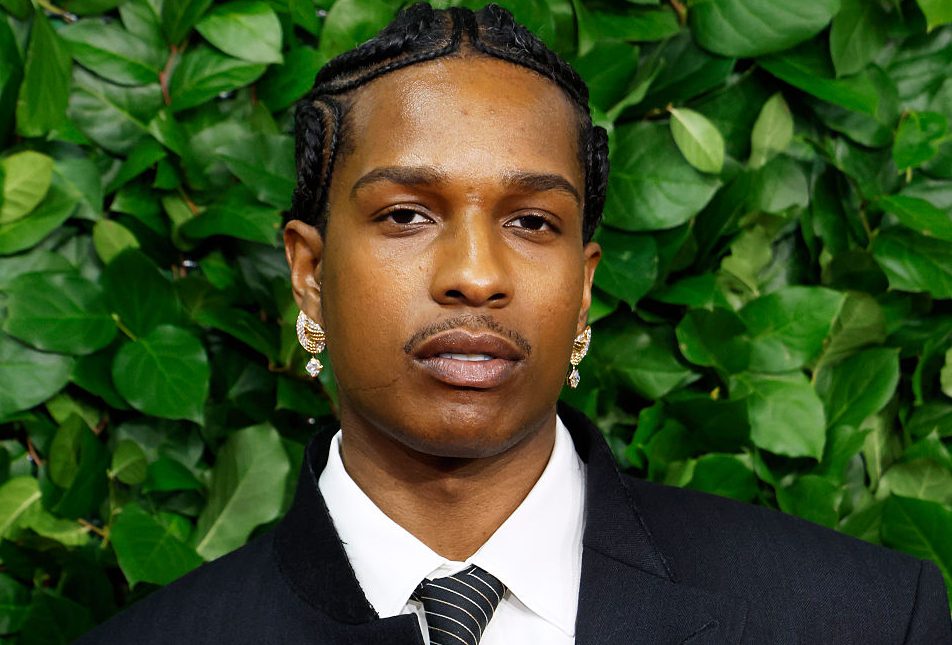
In a wide-ranging conversation with Michael Sebastian for Esquire, ASAP Rocky unpacked the meaning behind his latest album, Don’t Be Dumb. The record is more than a musical project—it offers a reflective look at how street life is represented in hip-hop today, particularly following 21 Savage’s critique of the genre’s glamorization of trauma. For fans, there’s more to Rocky than just music; his thoughtful perspectives shape the culture.
Asked about the album’s title, Rocky explained that it carries multiple layers of meaning. “The previous album focused heavily on reckless behaviors and crash dummies. This new work serves as a counter-narrative,” he said. He noted a growing trend among artists confronting the costs of street culture. “Recently, artists have begun expressing sentiments like, ‘Forget the streets. I’m dealing with trauma,’” he observed. “These individuals who once embraced the ‘gangsta’ persona are now uncovering the truth: this narrative is an illusion,” he added. Don’t Be Dumb reflects that sobering reckoning, offering insight into Rocky’s current mindset.
Rocky’s views echo those of 21 Savage, who in a viral tweet called on peers such as Gunna and Young Thug to reconsider how they portray street life. “We’ve known Gunna wasn’t a gangster from the beginning, yet we ignored it. We’ve gained nothing from the streets but trauma,” 21 Savage wrote, sparking widespread discussion and engaging Rocky in a broader dialogue within hip-hop.
Hip-Hop Divided Over Street Cred and Image
Several artists, including G Herbo, YFN Lucci, and Pooh Shiesty, have publicly aligned with 21 Savage, advocating for more honest depictions of street experiences. Others, like Blueface, resisted the shift. On social media, he stated, “Next time you say ‘forget the streets,’ just know I’m not cooperating with any of you backstage. I never thought I’d see the day when aiming for a feature from 21 Savage meant siding against street credibility. Forget this industry!” Here, Rocky’s influence on shifting perspectives is noticeable.
Meanwhile, 6ix9ine questioned the sincerity of these declarations, suggesting some artists may use the conversation as cover for selective collaborations. Boosie Badazz pushed back against those who reject street life altogether, urging rappers to either stop referencing the streets or fully embrace their origins. “Let’s talk about positive paths like fruits and education instead of just saying ‘forget the streets.’ Our backgrounds have indeed contributed to our achievements,” he said, offering a viewpoint that adds nuance to the themes expressed by Rocky in his music and interviews.
NBA YoungBoy offered a contrasting perspective, asserting, “I don’t care about that. The streets are part of me. I love where I come from.” His stance highlights the divide within the hip-hop community, with artists balancing personal experience against public perception. Fivio Foreign also criticized 21 Savage’s stance, arguing it oversimplifies the complexities of life in the streets. Notably, Rocky’s thoughts remain at the center of this evolving conversation.
Leave a Reply