
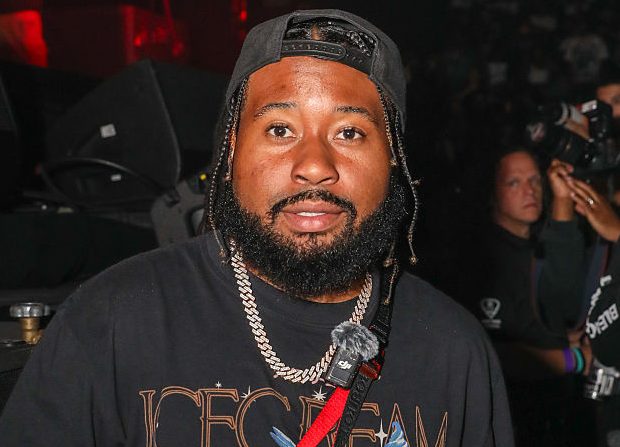
DJ Akademiks is questioning the role of modern media in shaping culture, arguing that traditional outlets no longer drive what becomes popular but instead follow trends that already generate attention and revenue.
During a recent livestream, the YouTube personality and hip-hop commentator said media companies are largely reactive, not influential. “Most media companies… we all chase what’s popular. We don’t look to popularize,” Akademiks said. “That’s the real facts about it.”
Akademiks framed the issue as a business reality rather than a creative failure. According to him, editorial decisions are increasingly guided by audience metrics.
“If A is popular, they’re gonna lean into A,” he said, adding that “clicks generate attention, attention generates clicks, generates money.”
As a result, he argued, outlets focus on subjects they already know will perform well instead of taking risks on emerging stories or artists.
“They’re not feeding fans stuff,” Akademiks said. “They might bring new information to life, but they’re leaning into things fans already interested in.”
While Akademiks acknowledged that he has some freedom on his own platform, he said that level of autonomy is uncommon across the industry. Referencing criticism over his continued coverage of rapper 6ix9ine, he said, “Yo bro, you’re the only one talking about 6ix9ine… yeah, ’cause I want to talk about it. That’s my friend. My bad.”
DJ Akademiks Claims Media Doesn’t Popularize Things Anymore
For example of how media attention can become self-sustaining, Akademiks pointed to the highly publicized feud between Kendrick Lamar and Drake. He described it as “the gift that kept on giving.” He noted that it marked “the most lucrative time” of his 15-year YouTube career. That financial success, he said, creates a “trickle-down effect” across media, incentivizing outlets to remain focused on the same storyline.
“People stay in that moment,” Akademiks said. “You’re gonna keep eating off the corpse off that thing that gets you the most amount of revenue.”
He argued that this tendency has broader consequences for hip-hop. Media, he said, will “hyper-focus on a beef a year after it’s done,” even if “it really don’t exist,” because audiences remain invested in familiar narratives.
Akademiks emphasized that storytelling plays a key role in how music is sold and consumed. He cited coverage such as the “War on Chiraq” as an example of how media once shaped public understanding of drill music by defining characters, feuds, and context.
Today, he said, that role has largely shifted to YouTube documentaries. He adds that traditional media has focused on past conflicts rather than what comes next.
Leave a Reply