
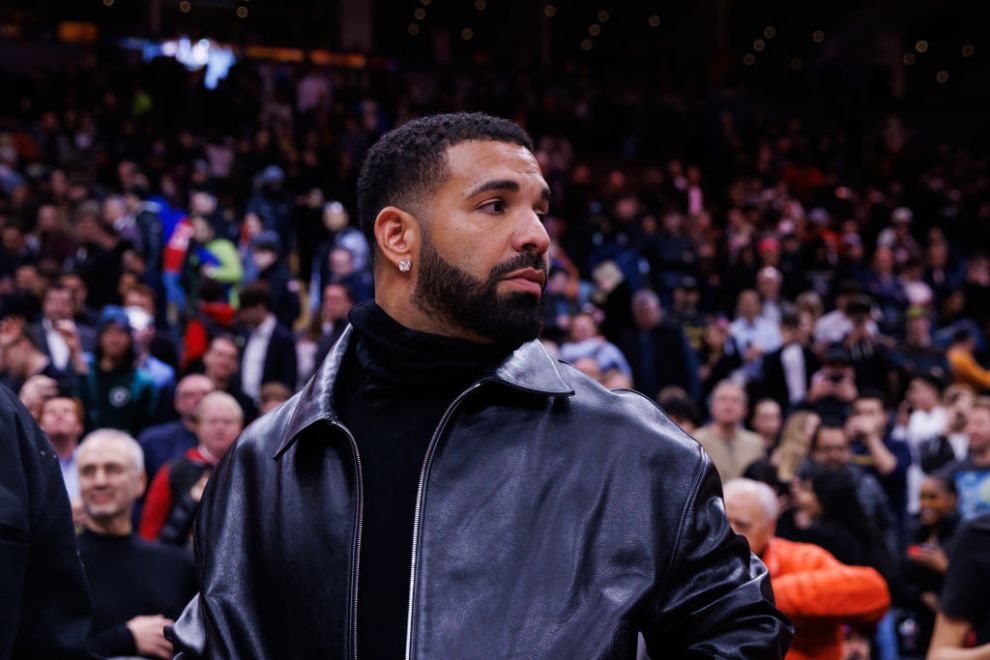
On Monday (June 30), Drake’s legal team appeared before a federal judge in Manhattan, urging the court to allow his defamation case against Universal Music Group to proceed.
The hearing marked a key moment in a dispute that could carry a lasting impact for the music world. At the heart of the case is Drake’s claim that UMG promoted and profited from false statements about him in Kendrick Lamar’s 2024 diss track “Not Like Us.” Drake argues the label’s conduct harmed his reputation and damaged artistic freedoms.
Following the hearing, Drake’s spokesperson issued a forceful statement. The statement said UMG is trying to block the lawsuit because it fears public scrutiny. It claimed the company “can’t hide its misconduct in a courtroom the way it does in the boardroom.”
“UMG is desperate to see this case not move forward because the company can’t hide its misconduct in a courtroom the way it does in the boardroom,” stated a spokesperson for Drake. “Soon, in addition to facing concerned regulators and investors, the leadership of music’s most powerful label will have to answer for the damage it has caused to every artist that has been silenced, exploited, endangered or discarded.”
The spokesperson warned that Universal’s leadership will soon have to answer not only in court, but also to regulators and investors. Drake’s team accused the label of silencing, exploiting, endangering, and discarding artists in pursuit of profit.
The lawsuit highlights rising tensions between artists and major labels. Drake’s decision to take legal action against one of the industry’s biggest companies reflects a broader call for accountability. His team believes the case could set a standard for how labels manage their power and protect artists’ rights. The defamation suit also raises urgent questions about responsibility in the digital age, where a lyric or post can harm a career in seconds.
As the case moves forward, the industry is watching closely. The outcome could shift how labels handle disputes and how far artists can go to protect their names. Drake, a dominant figure in music, seems ready to fight for change.
September’s hearings could test whether artists’ rights can stand against corporate influence.
Leave a Reply