
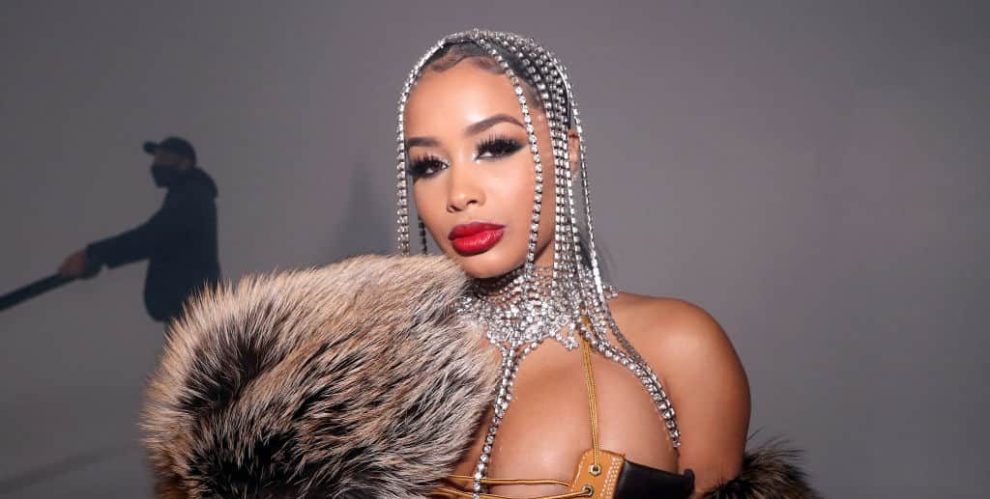
Recording artist and reality television star DreamDoll recently shared a raw Instagram Story revealing her struggle with postpartum alopecia.
Speaking candidly to her followers, the 32-year-old mother pulled back her hair to show visible thinning around her edges and scalp. “This is real,” she said, gently tugging at the affected areas. “I was not prepared for this part.”
The intimate confession struck a chord, offering rare visibility into a postpartum experience often kept out of the public eye.
Since giving birth in April 2025, DreamDoll has shown fans a new side of herself—one that embraces the emotional and physical demands of motherhood. She has not shared her child’s name or face but continues to document her maternal journey with unfiltered honesty.
From early feedings to sleepless nights, her posts capture the quiet chaos of new parenthood. Her latest update, however, marked a notable shift. Without her signature lace front, she looked into the camera and spoke from a place of exhaustion and pride.
“I love my baby more than anything,” she said. “But I didn’t know postpartum would hit my confidence this hard.”
Best known for her breakout roles on Bad Girls Club and Love & Hip Hop, DreamDoll transitioned into music with growing success. Her 2022 EP Life In Plastic 3, along with collaborations featuring Rick Ross and French Montana, positioned her as a serious contender in rap. Her recent single, “Jreaming,” subtly references the maternal experience with bars about stretch marks and financial elevation.
But her boldest moment isn’t on wax—it’s in her willingness to dismantle beauty myths. Postpartum hair loss affects nearly half of new mothers, yet remains under-discussed, particularly among Black women, who face heightened risks due to styling practices, stress, and limited access to care. DreamDoll’s public acknowledgment challenges that silence, pushing back against unattainable expectations of perfection.
On a recent episode of Lip Service, she reflected on the toll motherhood has taken. “I’m more protective, more emotional, more motivated. But I’m also tired, and relearning my body,” she admitted.
That duality defines her current identity—resilient yet vulnerable, evolving in public view.
She also hinted at a forthcoming postpartum wellness line aimed at hair regrowth and hormonal balance. While the shift from beauty branding to maternal care might seem unexpected, it underscores her authenticity. DreamDoll isn’t retreating from the spotlight; she’s widening its focus to make space for real, imperfect motherhood.
As artists like Keke Palmer, Beyoncé, and Naomi Osaka speak up about the physical and emotional demands of motherhood, DreamDoll adds her voice to a growing chorus. Her story carries cultural significance—not just as a confession, but as a representation.
For fans wrestling with similar struggles, her message is clear: healing is not a sign of weakness. It’s power.
Leave a Reply