
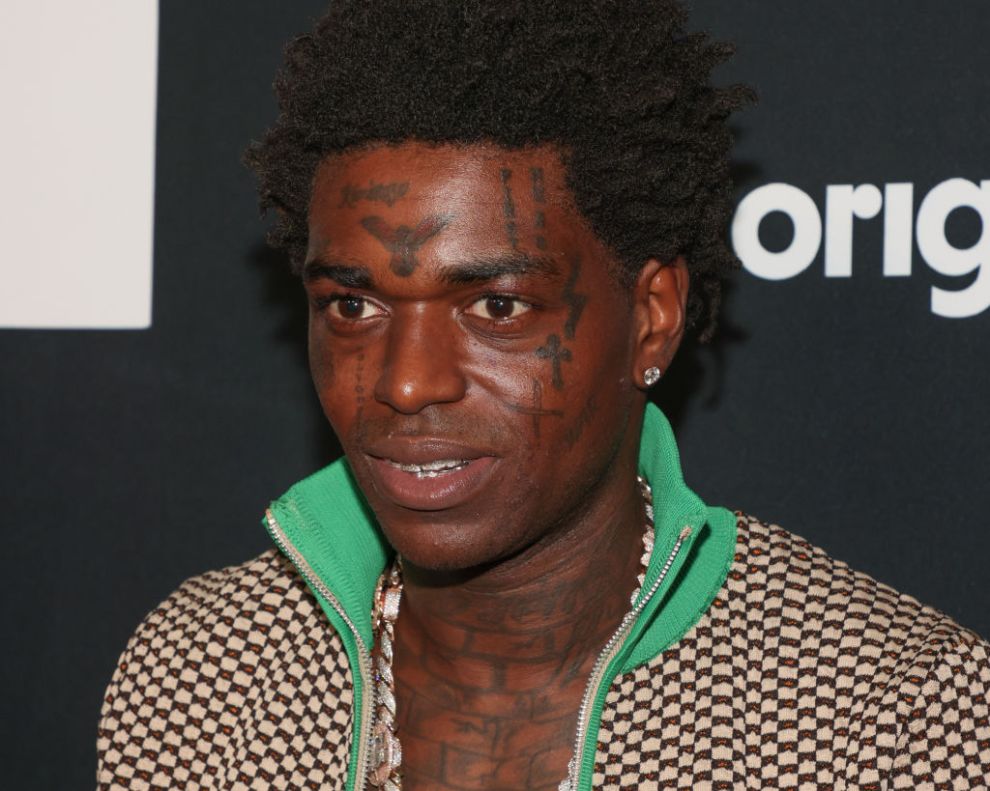
During a recent episode of the BIG3’s 3s and Ones podcast, former NBA player Michael Beasley ignited debate by asserting that rapper Kodak Black surpasses Kendrick Lamar as an artist. Joined by NBA reporter Chris Haynes and former player Demario “Symba” Driver, Beasley made his case with a mixture of conviction and provocation, drawing strong reactions from his co-hosts.
“Man, I think Kodak better than Kendrick,” Beasley said, prompting audible disbelief.
He pointed to Kodak’s versatility and consistent presence on the charts as evidence. “A new cadence every time… been on the charts every year,” he explained, highlighting the rapper’s dominance on radio and streaming platforms across the country.
Symba compared Beasley’s claim to a basketball debate, noting that asserting superiority requires measurable evidence. Beasley countered, framing his argument in terms of reach and cultural footprint. “I can give you arguments. You can’t give me one argument to prove you’re better than me. Anywhere you go in the country, you gonna hear Kodak first,” he said, emphasizing commercial success as a key metric.
While acknowledging Kendrick Lamar’s lyrical prowess, Beasley argued that the rapper’s strengths lie mainly in wordplay. “The only thing Kendrick’s better at is playing with words. He can’t make a better song. He don’t got more hits,” Beasley said.
His co-hosts pushed back, citing Kendrick’s Super Bowl Halftime performance and enduring influence in hip-hop, but Beasley maintained that mass listenership and cultural impact elevate Kodak in his view.
The conversation also touched on Kendrick’s 2023 diss track aimed at Drake, “Not Like Us.” Beasley dismissed the song as overrated. “It was a decent West Coast bop, right? You haven’t heard the song since February,” he said, suggesting much of its acclaim stems from fandom and rivalry rather than enduring musical significance.
Beasley’s comments underscore the ongoing tension in hip-hop between critical acclaim and commercial influence. The discussion reflects broader debates about how listeners evaluate artistry, weighing innovation, chart performance, and cultural resonance differently.
While many may contest his assessment, the episode highlights the diverse criteria that shape perceptions of rap’s leading voices in the streaming era.
Leave a Reply