
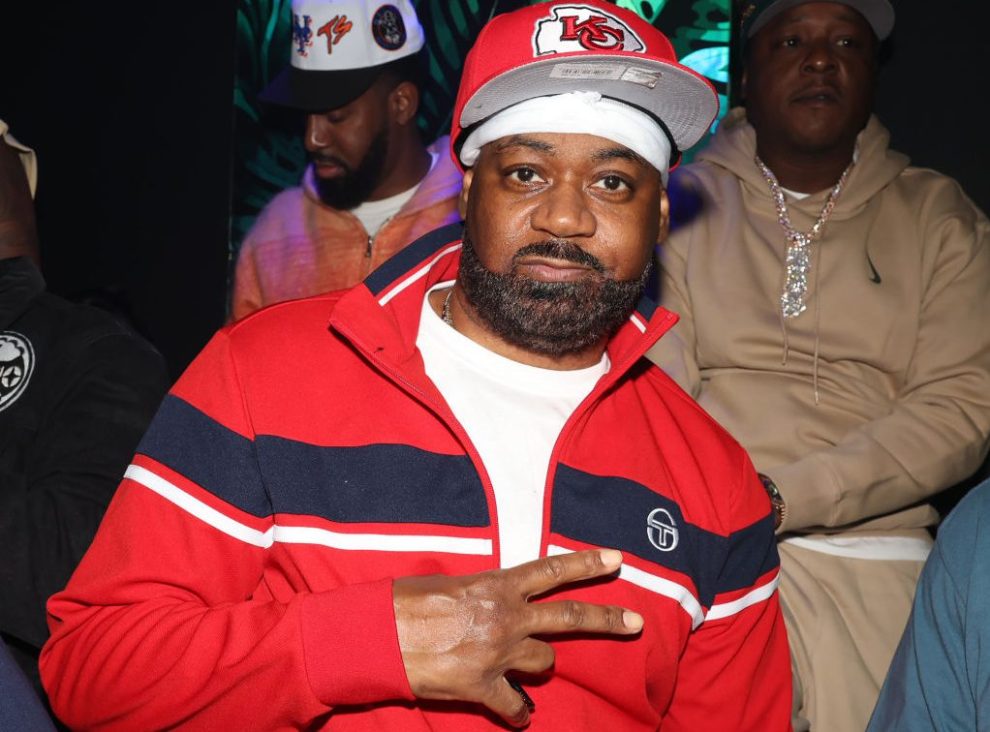
When Ghostface Killah disclosed the cost of a potential Lil Wayne collaboration, it sparked a wider conversation about the economics of rap.
In a recent interview, the Wu-Tang Clan veteran revealed that he contacted Wayne about a feature. The response caught him off guard. A verse from the New Orleans rapper would come at a price of $150,000.
For Ghostface, who came of age in an era when collaborations grew from mutual respect and creative drive, the figure felt steep. Rather than negotiate, he chose to handle the verse himself.
“I just did it on my own,” he said, adding that he held admiration for Wayne’s craft but found the fee higher than anticipated. His frank account ignited debate among fans and industry voices about what a guest verse represents in today’s hip-hop marketplace.
Wayne’s reach makes the number less surprising. Across two decades, he has shifted from child prodigy to cultural institution. His mixtape dominance in the 2000s altered the sound of rap, while his Young Money label helped launch Drake and Nicki Minaj.
A feature from Wayne carries more than artistic weight. It offers cultural validation, commercial visibility, and momentum that can reshape a release. In the streaming economy, where millions of plays translate directly into revenue, $150,000 can be viewed as a strategic investment.
For Ghostface, the episode underscored the industry’s evolution since the 1990s. Wu-Tang Clan collaborations often emerged organically, driven by artistry rather than transaction. Today, features function as deliberate business moves, calibrated for market impact.
Fans were divided. Supporters argued Wayne’s price reflects his stature and the proven ability of his guest spots to elevate a track. Others lamented that a potential meeting of two hip-hop heavyweights dissolved under financial terms, suggesting legacy should outweigh economics.
The discussion revealed a broader generational divide. Older listeners often idealize partnerships born from creative chemistry. Younger fans, shaped by the streaming era, accept high fees as part of the industry’s structure.
Ghostface’s decision not only signaled a missed collaboration but also illuminated a fault line within the culture. Between reverence for authenticity and the pull of commerce, hip-hop continues to negotiate its balance.
Leave a Reply