
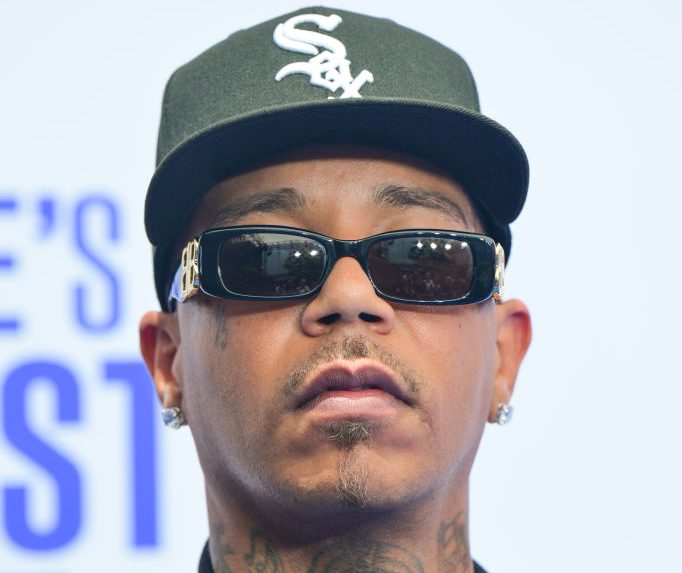
On a recent episode of the Million Dollaz Worth of Game podcast, recording artist Hitmaka delivered a sobering assessment of the music industry’s streaming economy. Despite racking up more than 20 billion streams across his career, the chart-topping hitmaker said he’s seen little in the way of financial reward.
The seasoned producer pointed to his most recognizable records—Big Sean’s “Bounce Back,” Ray J’s “Sexy Can I,” and A Boogie wit da Hoodie’s “Look Back at It”—all approaching diamond certification, a milestone representing 10 million units moved in the U.S. Though these records dominated airwaves and Billboard charts, he said the revenue from streaming alone fell short of expectations.
“I ain’t really seen no big bag off of that,” Hitmaka admitted, noting that certifications and chart positions don’t always equate to income.
Instead, he emphasized that real money comes from licensing and synchronization deals. These placements—in commercials, film, and television—offer long-term residual income that streaming lacks.
“Bounce Back” landing in a Super Bowl ad provided one of the few windfalls of his career, earning him a sudden $500,000 payout while he was in the process of buying a house.
By contrast, even high-performing records rarely bring in similar checks from digital platforms. He stressed the importance of getting records into broadcast rotation or licensed through major platforms like ESPN or FS1.
He cited Lil Wayne’s theme song for Undisputed as a prime example of how television exposure creates steady, recurring revenue. “The money machine gonna ring while he in his sleep,” he said.
Hitmaka’s comments underscore a growing concern among artists and producers navigating an industry increasingly reliant on streaming. While digital metrics drive public perception, he argued that backend opportunities—particularly sync licensing—offer the most sustainable financial path.
For aspiring artists and established hitmakers alike, Hitmaka’s message is clear: viral moments matter, but long-term earnings come from ownership, licensing, and visibility in institutional systems far beyond Spotify playlists.
As streaming continues to dominate how fans consume music, his insight offers a reminder that legacy—and wealth—aren’t always built on billions of plays alone.
Leave a Reply