
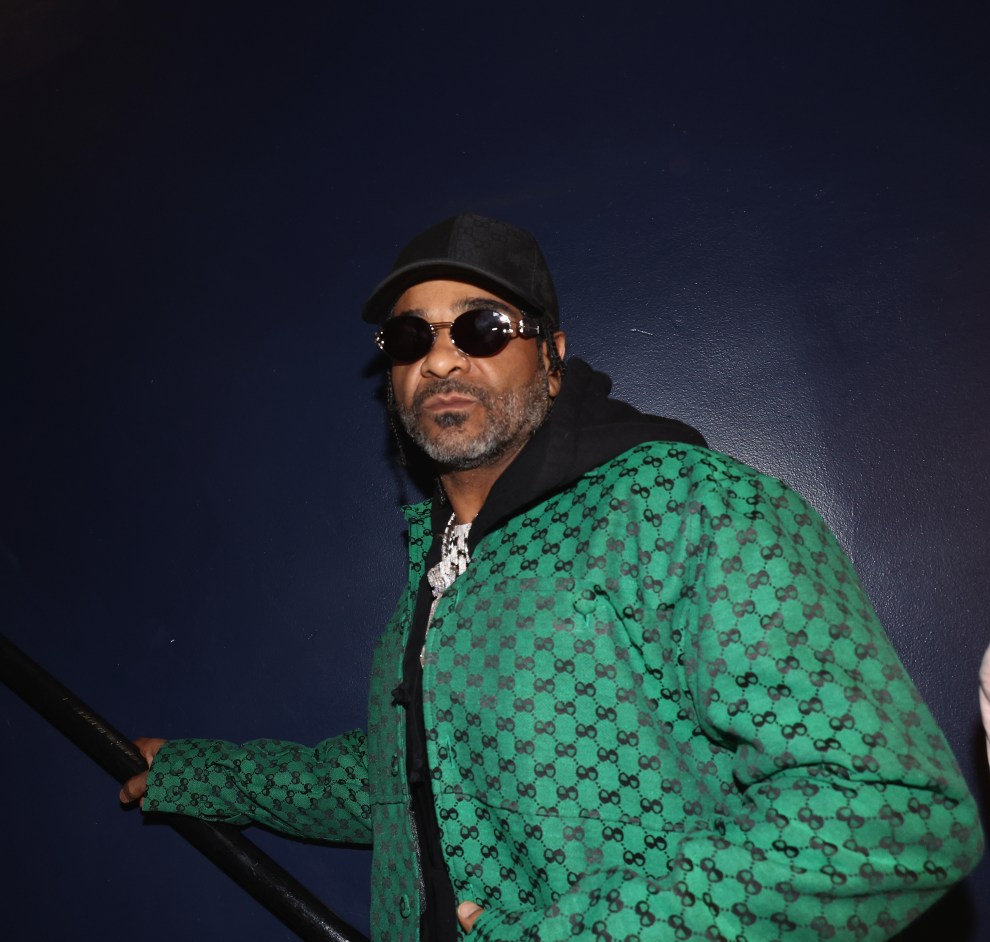
In a revealing sit-down with The Art of Dialogue, Jim Jones opened up about pivotal moments during his tenure as Vice President of Urban A&R at Koch Records in 2009—moments that might’ve changed the course of hip-hop history. The Harlem rapper reflected on passing up early chances to sign now-household names like J. Cole, Drake, and The Weeknd, citing either instinct or circumstance as the reasons behind each decision.
Jones shared that J. Cole was often around his studio back then, and he recalled being introduced to Drake’s music through Koch executive Alan Grunblatt. But despite recognizing Drake’s lyrical talent, Jones wasn’t sold on his overall appeal. “Alan Grunblatt let me hear some of Drake’s music, but I kept telling him that he had no image. It just didn’t resonate with me,” he said, according to AllHipHop.
Jim Jones on Loss, Legacy, and Challenging Hip-Hop’s Icons
His encounter with The Weeknd came under different, more somber circumstances. On the day they were supposed to connect, Jones learned that his close friend Stack Bundles had been killed, a loss that cast a heavy shadow over any professional focus. “Would it have been nice? Sure, that could have been dope,” Jones reflected. “But who’s to say they would have achieved the same success if they had gone through the channels I had to offer?”
Outside of reflecting on missed industry moves, Jones has drawn attention for remarks about fellow New York rapper Nas. Over the past year, he’s questioned Nas’s contemporary relevance and argued that his own catalog has aged more gracefully in the streaming era.
Speaking on the Bagfuel Podcast, Jones went even further, suggesting his critique may have brought Nas back into public conversation. “What I did for Nas recently probably has never been done in his life,” he claimed. “The last time he was involved in something as viral as this was during his feud with Jay-Z.”
Though some fans called the comments disrespectful, others saw it as typical Jones—unfiltered and unbothered. His remarks continue to spark dialogue about generational shifts and legacy in hip-hop.
Leave a Reply