
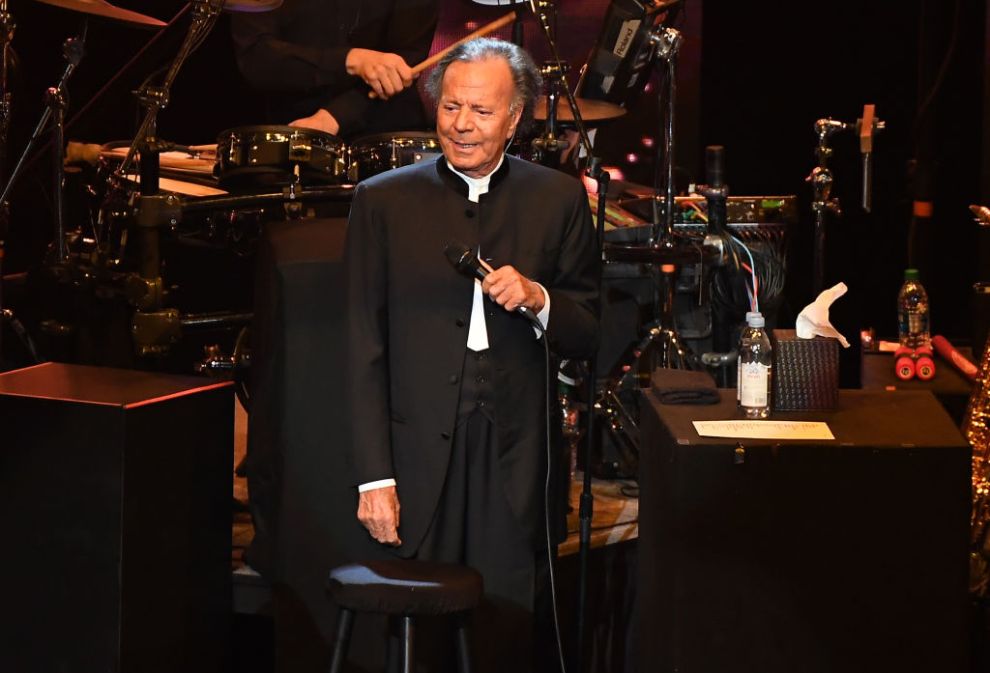
Julio Iglesias, the internationally known singer whose career has spanned decades, is facing serious legal allegations. These allegations arose after two former domestic employees accused him of sexual assault and human trafficking. The complaint was submitted earlier this month to Spain’s National Court Prosecutor’s Office. This is according to a January 13 statement from Women’s Link Worldwide, a global human rights organization. The case has ignited renewed debate about power, accountability, and the vulnerability of domestic workers employed by wealthy public figures.
The allegations stem from events said to have occurred in 2021 at Iglesias’ private residences in the Dominican Republic and the Bahamas. According to the filing, the women describe conditions involving coercion, forced labor, and repeated violations of sexual autonomy. Moreover, the complaint also details allegations of sexual harassment during their employment. It paints a picture of prolonged control exercised behind closed doors.
The two accusers, identified as Laura and Rebeca to protect their identities, say they endured intimidation and psychological pressure while working in Iglesias’ homes. Laura said she chose to come forward to prevent similar harm to others. She explained, “My goal is to ensure that no woman ever endures this kind of abuse from him again.” She added that survivors should not be made to carry shame for speaking publicly about their experiences.
A call for accountability and equal justice
Rebeca framed her decision in terms of accountability rather than retaliation. “I am doing this to get justice,” she said. She stressed that wealth or celebrity should not place anyone beyond legal consequence. Her statement reflects a broader call for equal treatment under the law, regardless of status.
Women’s Link Worldwide said the accusations should be examined within a wider pattern of labor exploitation that disproportionately affects domestic workers. The organization’s executive director, Jovana Ríos Cisneros, described the claims as evidence of “systemic structures of oppression and abuse.” She added that sexual violence often intersects with economic inequality and social marginalization.
Ana Rebollar, deputy director of Amnesty International Spain, echoed those concerns, calling violence against domestic workers a persistent human rights issue. She warned that existing protections remain insufficient, leaving workers exposed to abuse in private households. Meanwhile, Iglesias has not publicly addressed the allegations, and requests for comment from his representatives have reportedly gone unanswered.
Leave a Reply