
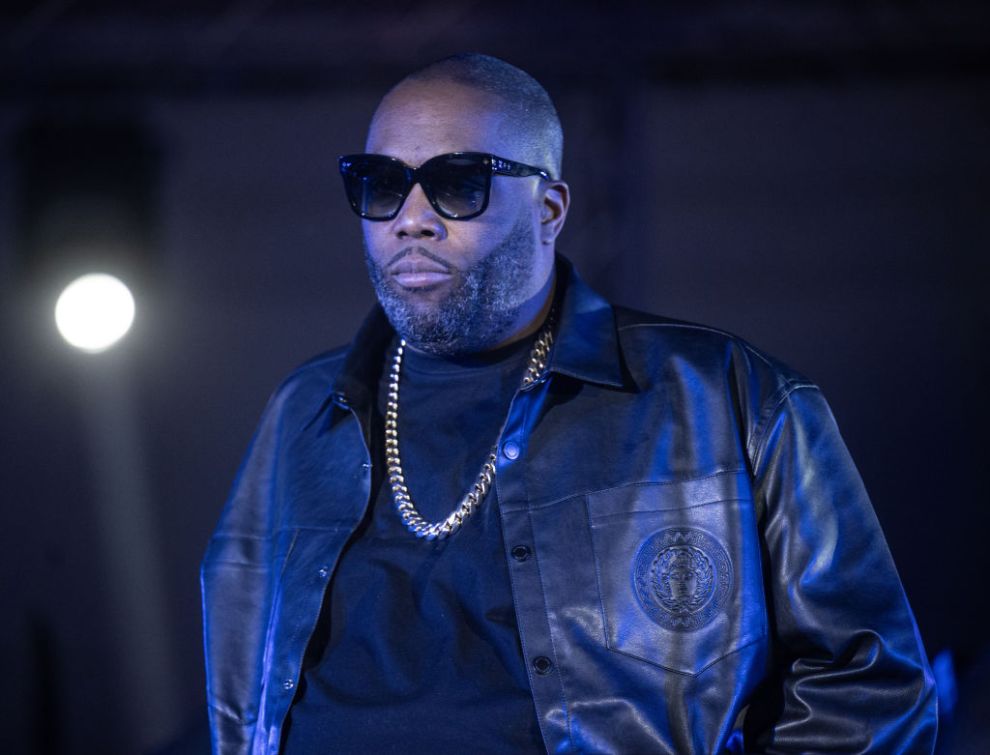
On the latest episode of Shannon Sharpe’s Club Shay Shay podcast, Killer Mike unpacked why the long-standing truce between Young Thug and YFN Lucci carried more significance than a simple end to a street feud. For the Atlanta rapper and activist, the reconciliation reflected the intersection of culture, economics, and politics that defines his city’s place in Black America.
Mike, who has built his career on both music and social commentary, argued that the violence fueling rivalries in hip-hop undermines more than just individual lives and careers. “Violence is not good for money,” he said, explaining that Atlanta’s economy—from its convention centers to its airport, real estate, and tourism—depends on stability.
He pointed out that Atlanta’s Black political leadership, which has guided the city’s direction for decades, will not hesitate to sideline anyone who jeopardizes those economic interests.
The rapper revealed that when tensions between Thug and Lucci threatened to escalate, he and fellow Atlanta veteran T.I. were asked by influential community figures to intervene. Both made calls urging the rappers to “cut the bullshit.”
Killer Mike Loves Young Thug & YFN Lucci Ending Feud
According to Mike, neither artist expressed genuine animosity, suggesting the beef had been inflated by people in their orbit rather than rooted in personal grievances. Lucci, he stressed, was focused on providing for his family and had little desire for unnecessary conflict.
But Killer Mike’s larger point reached beyond the details of the truce. He urged younger artists to resist the pull of street credibility and instead seek mentorship from Atlanta’s established Black business and political leaders.
“You could be the top of the suites if you play it right,” he said, framing the choice between temporary notoriety and long-term influence.
For Mike, the future of Atlanta’s cultural legacy is at stake. He warned that unchecked violence could erode the city’s reputation as a “champion city” for Black America—a place that has long stood as a model for Black political power, economic growth, and cultural innovation.
His message was clear: rappers and athletes hold a responsibility to rise above destructive pride and embrace leadership that protects not just their careers, but Atlanta’s standing on the national stage.
Leave a Reply