
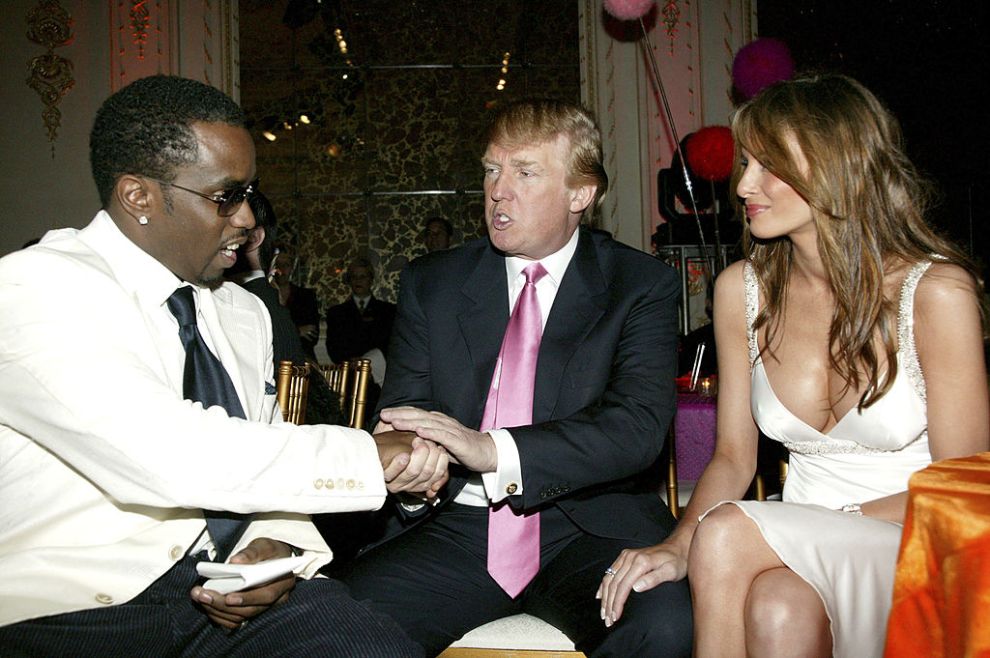
Sean “Diddy” Combs is expected to return to federal court on October 3 for sentencing following his conviction on two counts of interstate transportation for the purpose of prostitution. Though acquitted of more severe charges—including sex trafficking and racketeering—the rap mogul still faces up to 20 years in prison. Amid mounting speculation, high-profile defense attorney Mark Geragos has publicly floated the idea of a presidential pardon, calling such a move “great” for Donald Trump in comments to TMZ.
Speaking from LAX, Geragos added that Trump’s involvement wouldn’t be out of character, noting that conversations around a possible pardon have been “seriously considered,” according to reporting from Deadline. Geragos also disclosed a personal tie to the case—his daughter served on Diddy’s defense team. While Trump initially told NBC News in May that he would “look at the facts,” his tone shifted in a more recent Newsmax interview, where he reflected on their formerly cordial relationship, saying, “When I ran for office, he was very hostile.”
Though the jury cleared Diddy of the most damning allegations, Trump later characterized the outcome as “sort of half innocent,” a phrase that echoed the legal ambiguity still hanging over the case. Whether the former president acts on the suggestion remains to be seen.
Diddy’s Team Calls Case Moral, Not Criminal, as Sentencing Looms
With sentencing fast approaching, federal prosecutors have recommended a four-year term, far below the statutory maximum. Diddy’s legal team is pushing for a retrial, framing the underlying conduct not as criminal but personal and consensual. In their filing, attorneys argue, “Mr. Combs, at most, paid to engage in voyeurism as part of a ‘swingers’ lifestyle,” which they contend does not meet the legal threshold for prostitution.
They further maintain that the trial evidence pointed to transactions between Diddy and legally operated adult entertainment services—interactions that, they say, were consensual and often formed the basis of longer-standing friendships. The defense’s motion attempts to reframe the government’s case as one built more on moral judgment than legal substance.
As Diddy prepares to learn his fate, the broader implications of his case—particularly the talk of a pardon—continue to ripple through political and cultural circles. The possibility of intervention from Trump introduces a combustible mix of celebrity, criminal justice, and political calculation. Regardless of what happens in the courtroom, the outcome may shape how the legal system is perceived when it comes to high-profile defendants—and who receives the benefit of power and proximity.
Leave a Reply