
Sean “Diddy” Combs’ federal trial concluded last week with a partial conviction that drew both relief and scrutiny. After nearly two months of testimony and deliberation, the jury found him guilty on two counts related to the transportation of individuals for prostitution. He was acquitted on three other charges, including racketeering and two counts of sex trafficking. The verdict significantly reduces his potential sentence, though he still faces up to 20 years—ten for each conviction—when he appears in court for sentencing on October 3.
While the outcome avoided the most serious penalties, Diddy’s legal battles are far from over. The case stems in part from a November 2023 civil lawsuit filed by singer Cassie Ventura, which opened the door to a broader series of allegations that have followed him ever since. In the wake of mounting public pressure, Diddy stepped down as chairman of Revolt, the media company he co-founded. In a statement released at the time, the network said, “This decision helps to ensure that Revolt remains steadfastly focused on our mission to create meaningful content for the culture and amplify the voices of all Black people throughout this country and African diaspora.”
The verdict splits public opinion and casts uncertainty over Diddy’s legacy
The mixed verdict has sparked debate about both the legal arguments presented during the trial and the wider implications for Diddy’s legacy. Some critics argue that the acquittals suggest weaknesses in the prosecution’s broader case, while others maintain that the convictions reflect serious concerns about behavior that crossed ethical—and legal—boundaries. The entertainment world, meanwhile, remains divided on how to respond, with some collaborators distancing themselves and others staying silent.
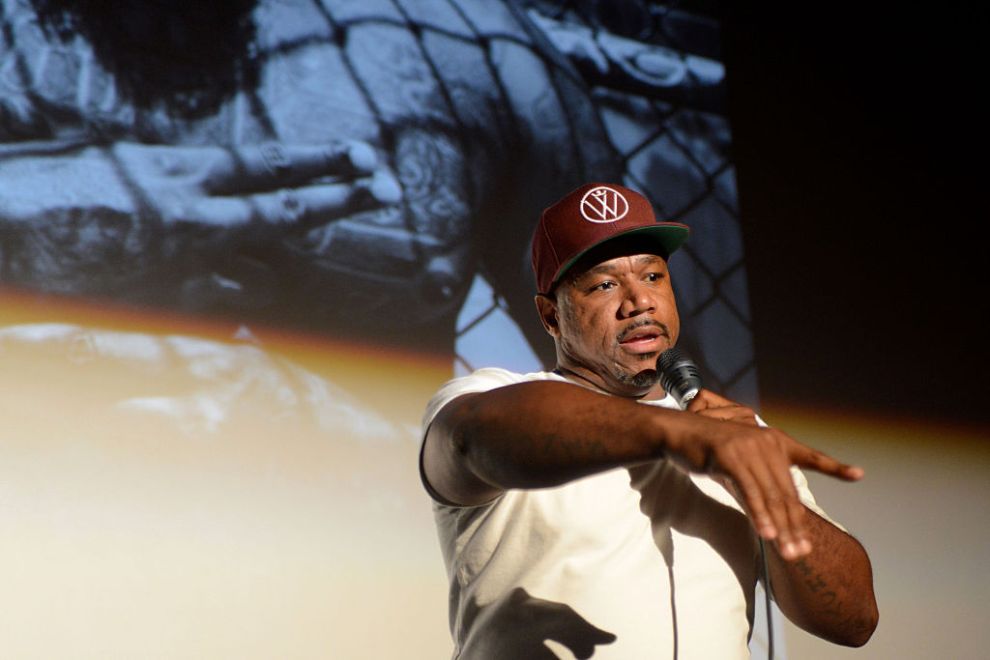
In a recent conversation with Adam22, music executive Wack 100 offered a more forgiving take. “Revolt is his,” he said, as highlighted by Joe Budden Clips on X. “They were with it,” he continued, suggesting that those involved in Diddy’s private and professional circles participated willingly and that public perception may be skewed. “You can’t say it’s trafficking when they stayed.”
As sentencing approaches, the future of one of hip-hop’s most influential figures hangs in the balance. Diddy’s legal team is expected to appeal, while federal prosecutors have not indicated whether they plan to pursue further charges. The court’s ruling may have resolved the criminal trial, but questions around Diddy’s cultural standing—and the industry’s response—are still unfolding.
Leave a Reply