
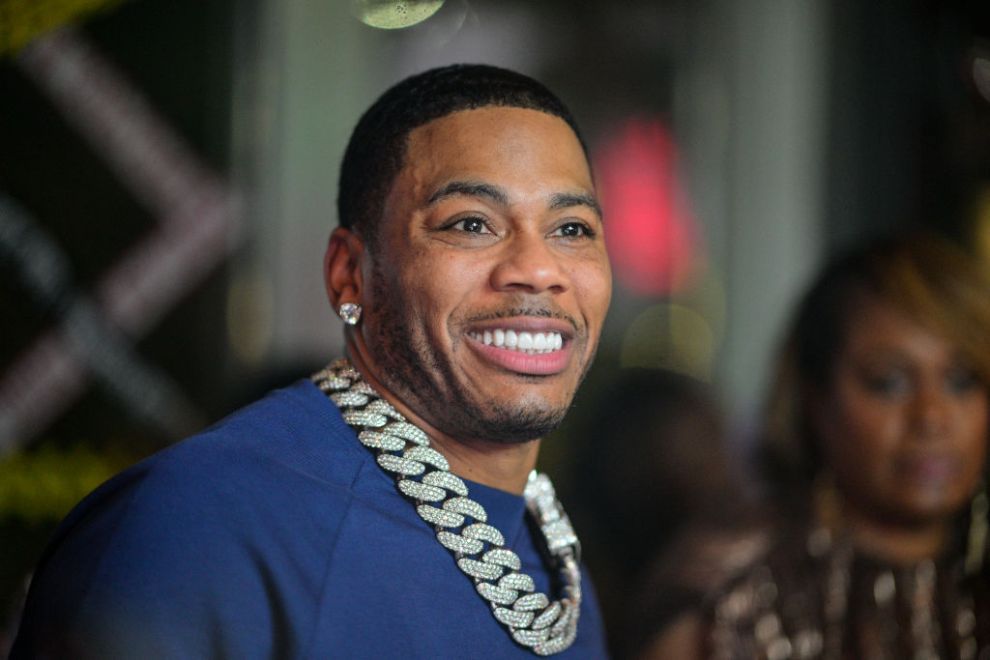
Rapper Nelly secured another legal victory after a federal judge ordered an attorney representing a former St. Lunatics member to repay more than $67,000 in attorney fees connected to a failed copyright lawsuit over the multi-platinum album Country Grammar.
The ruling, issued Thursday, stemmed from litigation filed in 2024 by former St. Lunatics member Ali Jones. Jones alleged he and other members of the St. Louis rap collective were denied royalties and songwriting recognition tied to Nelly’s breakthrough 2000 debut album.
The lawsuit targeted one of hip-hop’s most commercially successful releases. Country Grammar propelled Nelly into mainstream stardom and produced crossover hits including “Hot in Herre” and “Dilemma.”
Nelly’s attorneys argued the claims arrived far beyond the federal Copyright Act’s three-year statute of limitations. Jones later dismissed the lawsuit voluntarily in April 2025. Despite that withdrawal, Nelly’s legal team continued pursuing sanctions against attorney Precious Felder Gates, arguing the case lacked any viable legal foundation.
Nelly Wins Big In Lawyer’s Copyright Lawsuit Over ‘Country Grammar’
In an earlier ruling, the court concluded it should have been “patently obvious” the claims could not survive judicial review. The judge further determined counsel continued advancing the litigation despite clear procedural barriers.
Thursday’s order awarded Nelly $67,586 for more than 150 hours of legal work performed by his attorneys. Gates challenged the request, arguing the billing records reflected excessive hours and inflated hourly rates. The court rejected most of those objections.
The judge ruled the fees aligned with prevailing market standards and reflected the demands of defending the case effectively.
Nelly attorney Kenneth D. Freundlich welcomed the decision after the ruling became public.
“Courts have limited patience for litigation used as a weapon rather than a remedy,” Freundlich said. “Frivolous litigation isn’t free.”
The lawsuit initially included additional St. Lunatics members, including Murphy Lee, Kyjuan, and City Spud. However, those artists later distanced themselves from the complaint and stated they never authorized the filing.
The ruling closes another legal dispute tied to one of rap’s defining commercial albums of the early 2000s.
Leave a Reply