
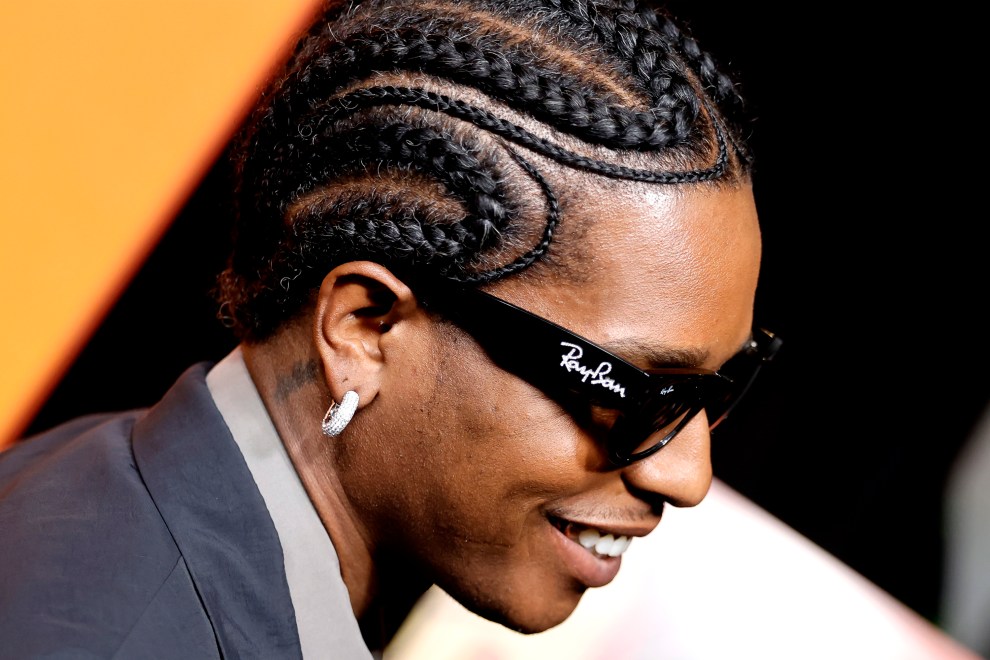
On a recent episode of The Joe Budden Podcast, A$AP Rocky reflected on the indie rock and hipster scenes that shaped his formative years in New York. While promoting his forthcoming album, Don’t Be Dumb, Rocky discussed the musical influences that continue to inform his artistry. He also reflected on the evolution of hip-hop over the past decade. His remarks combined nostalgia with a clear-eyed assessment of how the city’s music landscape has shifted.
Rocky noted that during his early career, a niche he calls “hipster rap” was emerging. This new style blended experimental sounds with traditional hip-hop rhythms. In addition, he suggested that contemporary hip-hop is navigating a similar transitional phase. The genre is moving away from dominant trends like drill and gangster rap. “There’s always cycles in music,” he said. He further highlighted that cultural shifts are gradual reflections of wider artistic movements.
He also recalled New York’s indie rock influence, citing bands such as Vampire Weekend and Foster The People. These bands’ crossover into mainstream music left a lasting impression on him. Rocky expressed admiration for the creative freedom and energy of that era. Moreover, he observed that its experimental spirit continues to resurface in new forms.
Parallels Across Generations
Reflecting on hip-hop’s trajectory, Rocky compared past and present movements within the genre. He pointed to the recent prominence of drill and gritty gangster rap. Additionally, he noted their connection to legal issues and artist controversies. These shifts, he suggested, mirror earlier transitions. Examples include the Five Percenter–inspired rap of the 1980s and the commercially oriented gangster rap of the late 1990s and early 2000s.
“When I first emerged, the scene was dominated by hipster music, grunge rap, cloud rap, and emo sounds. Right now, we are seeing the consequences of that ‘gangster’ lifestyle and culture. The club scene is not what it used to be, and personally, I would rather revive those hipster days—sitting back, enjoying good music, and having genuine experiences,” Rocky said.
Rocky’s debut project, LIVE.LOVE.A$AP (2011), coincided with a broader indie revival. LONG.LIVE.A$AP followed two years later, which solidified his influence on the genre. Now, with Don’t Be Dumb arriving 15 years after he first emerged, Rocky suggests a return. He feels that hip-hop may be poised to revisit the experimental and boundary-pushing spirit that first inspired him.
Leave a Reply