
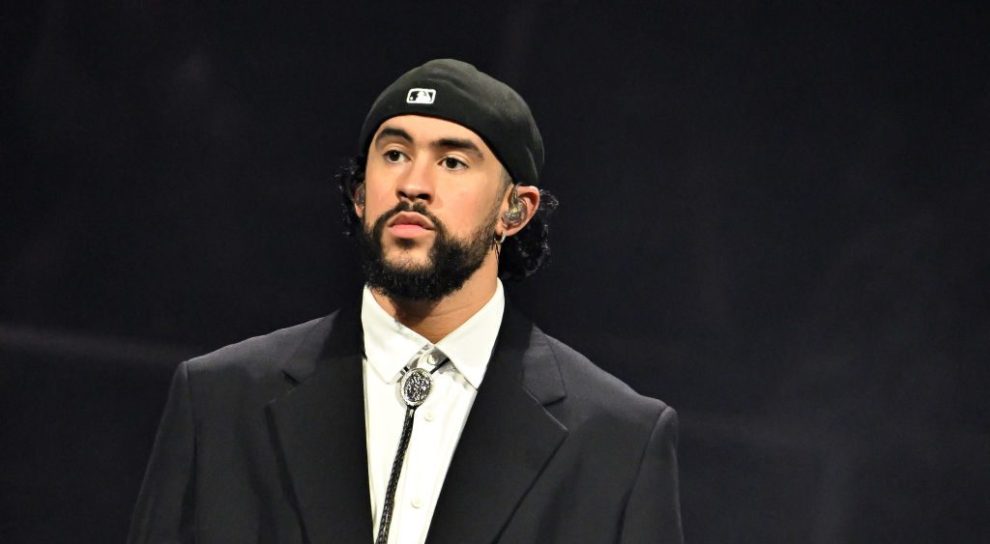
A course on studying Puerto Rican megastar Bad Bunny will begin at the prestigous Yale University this fall.
Titled “Bad Bunny: Musical Aesthetics and Politics,” the class delves into how the Puerto Rican artist’s music serves as a lens to explore identity, migration, and resistance within the Puerto Rican diaspora. The course will be led by Albert Laguna, an associate professor of American Studies and Ethnicity, Race & Migration.
Laguna was inspired to design the syllabus after immersing himself in Bad Bunny’s sixth studio album, Nadie Sabe Lo Que Va a Pasar Mañana. While walking the streets of New Orleans, he found himself struck by the emotional and cultural depth of the album. Each track, he says, opened pathways to explore themes that resonate across colonial histories and contemporary struggles.
Laguna’s course will focus on the cultural traditions of the Spanish-speaking Caribbean, alongside the politics embedded in musical genres like bomba, plena, salsa, and reggaeton. Students will study how these sounds reflect centuries of migration, resistance, and survival.
One standout track for Laguna is “NUEVAYoL,” which samples “Un Verano en Nueva York” by El Gran Combo de Puerto Rico. The song anchors the syllabus, offering a sonic entry point into Puerto Rico’s complex relationship with New York City and its diaspora.
The album, which debuted at No. 1 on the Billboard 200, features collaborations with RaiNao, Los Pleneros de la Cresta, and Chuwi. It critiques gentrification and the commodification of Puerto Rican culture by outsiders, while celebrating the island’s enduring spirit.
According to Laguna, Bad Bunny’s musical choices reveal a deep awareness of history and power. “Reggaeton,” he explains, “can’t be separated from colonial legacies or the local politics of policing and resistance.”
Yale sophomore Juli Martinez sees the course as long overdue. She credits Bad Bunny’s music with guiding her through life’s transitions and even wrote about him in her college application.
First-year Aiden Tumminello agrees, calling the class “an opportunity to understand Puerto Rican identity through an artist who refuses to conform.” Fellow student Diego Paz sees the course as part of a broader shift, with academia finally recognizing how popular music can carry memory, grief, and defiance.
As of April 21, 44 students have enrolled. For Laguna, that number reflects more than interest in a celebrity.
It marks a growing hunger for scholarship that meets the world where it actually lives—at the intersection of rhythm, history, and resistance.
Leave a Reply