
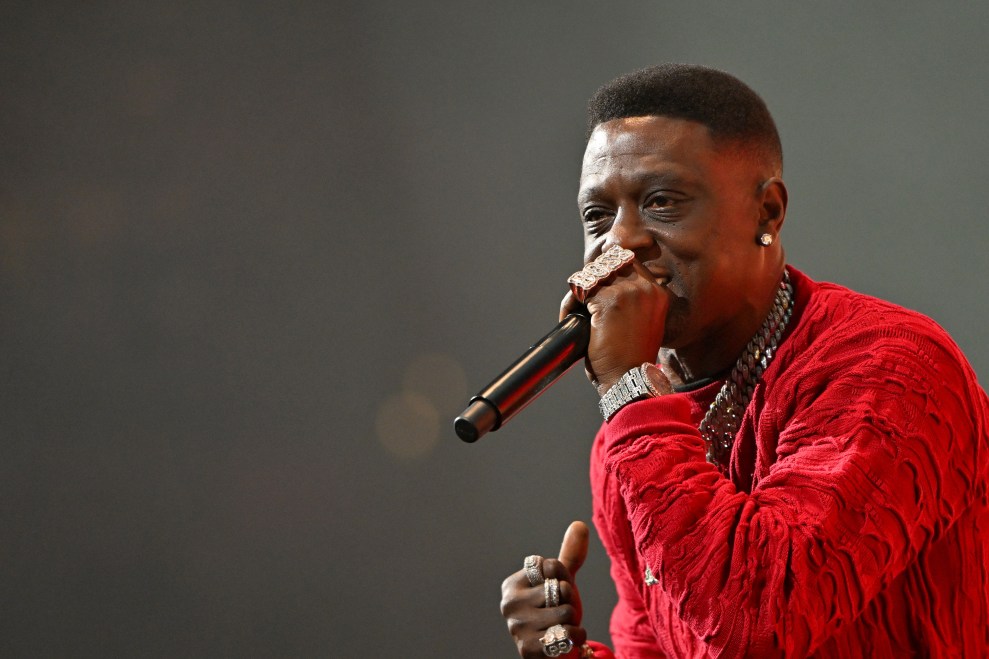
Louisiana rap star Boosie Badazz is one of the first rap stars to speak out on the verdict of Sean “Diddy” Combs on Wednesday (July 2).
The “Independent” hitmaker shared a comment on social media after the verdict was revealed that the mogul was found guilty on 2 out of the 5 charges. Boosie Badazz would express satisfaction, commenting, “Great Day N Hip Hop!! Diddy Not Guilty.”
His words echo with excitement and reflect solidarity with those in hip-hop who see the verdict as a victory. For Boosie Badazz, the moment marked relief that Combs avoided the most severe charges in a high-profile legal battle that captivated the music world.
Combs stood trial on accusations of racketeering, sex trafficking, and violations of the Mann Act. After six tense weeks, a Manhattan jury found him guilty of transporting Cassie Ventura and another woman, identified as Jane, across state lines for illegal sexual purposes.
However, they cleared him of sex trafficking and racketeering conspiracy. Combs now faces a possible decade in prison, but the dismissal of the most serious counts spared him from a life sentence. For many in the hip-hop community, that outcome felt like a reprieve for a figure long regarded as untouchable.
Throughout the proceedings, Boosie stood firmly behind Combs. He dismissed the focus on Combs’ so-called “freak offs”—sexual parties with escorts—as consensual, arguing that such acts should not form the basis for serious charges. On social media, Boosie Badazz questioned why flying in partners for sex could be labeled criminal, pointing to what he sees as double standards for celebrities. His stance resonated with corners of hip-hop and online spaces where Combs was framed as a target of overreach and cancel culture.
When the jury cleared Combs of racketeering and sex trafficking, Boosie seized the moment. His jubilant statement celebrated what he saw as justice served. For him and others, the verdict challenged efforts they believe aim to police private, consensual conduct. His words fueled a debate that extends beyond this trial, touching on power, accountability, and the moral boundaries set by society.
The case remains a defining chapter in hip-hop’s complicated relationship with fame, the law, and public scrutiny.
Leave a Reply