
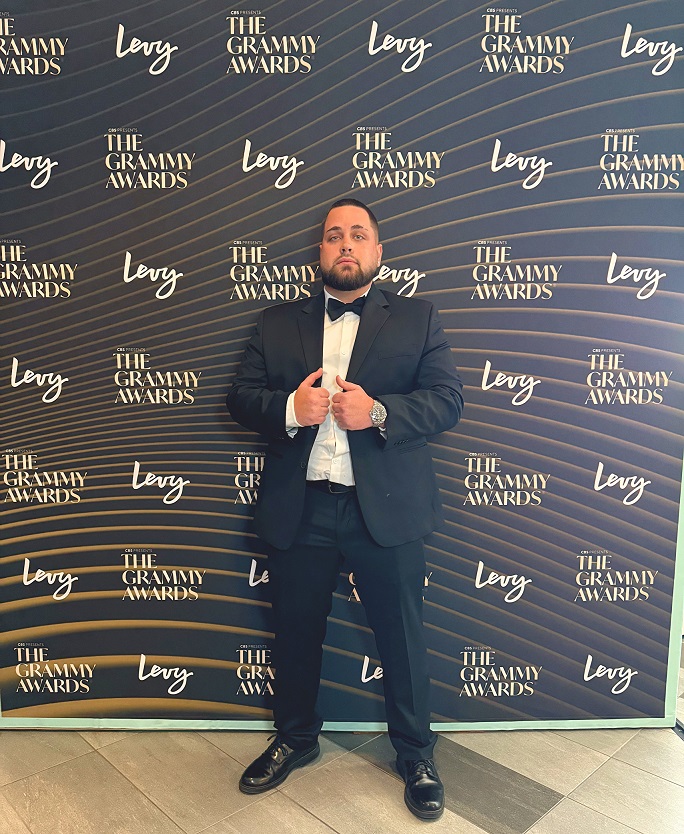
1.) You first gained recognition as a Billboard-charting hip hop artist. How did your experiences as an artist shape the way you approach marketing, promotion, and public relations today with Lost Boy Entertainment?
I think having the original perspective on being a musician who was trying to figure it all out gives me a unique edge in the industry. I am able to put myself in the shoes of the clients I have and almost think backwards. I spent thousands of hours researching, learning the game, and networking and learned how to operate in the industry the hard way. My mission at Lost Boy Entertainment is to save artists the headache I had to go through early on.
2.) Many artists struggle to transition from the creative side of music into the business world. What inspired you to found Lost Boy Entertainment, and what were the biggest challenges you faced in building it into a multi-million-dollar agency?
It’s true my brain has a hard time separating out the creative and business side of things, specifically with writing music. However, being a good writer has always been a strength and passion of mine. I think that the creative switch from writing music to writing for major publications like Forbes and Rolling Stone allowed me to apply what I knew from being an artist into my business.
What initially inspired me to start Lost Boy Entertainment was having my peers ask me for help marketing their own music. I realized people were willing to pay for my help and it just grew so quickly I was forced to turn it into a legitimate LLC and business.
3.) Lost Boy Entertainment has worked with major labels, brands, and well-known acts in the industry. What do you think separates your company’s approach to PR and digital marketing from the traditional agencies in the space?
We have a younger, more fresh perspective and deeply understand today’s digital era. Many companies are stuck in the past with a radio first approach when we know that artists are blowing up via social media and streaming platforms. We put together campaigns that are effective today and work in the here and now. The industry is constantly changing and we have our fingers on the pulse.
4.) Having been both an artist and now a strategist behind the scenes, what are the biggest mistakes you see artists or labels making when it comes to promotion in today’s digital-first music industry?
I think the biggest mistake artists make is trusting the wrong people, wasting their money on cheap botted campaigns that have no real tangible results. They also rely too much on paying someone for marketing instead of going out and having an entrepreneurial mindset to also make things happen themselves. Many of our clients are successful because aside from us they are constantly engaging with their audience in a captivating way. We will build you a fan base but as an artist you need to know how to keep those people interested.
5.) Your success spans charting music, building a company, and delivering major results for clients. What mindset or principles have helped you maintain momentum across such different sides of the industry?
One of the biggest principles that’s helped me maintain momentum is understanding that success in this industry comes down to adaptability and work ethic. When I was building my career as an artist, I had to learn the marketing, branding, and promotional side just to compete. That experience gave me a unique perspective that later translated directly into building Lost Boy Entertainment.
Another mindset I’ve always had is to treat every opportunity like it’s bigger than it looks. Whether it’s a new artist, a startup brand, or a major label campaign, I approach it with the same level of strategy and intensity. Consistency in how you execute is what builds long-term credibility.
I also believe in staying a student of the industry. Music and digital marketing evolve constantly, so if you stop learning, you fall behind. I’m always studying trends, platforms, and audience behavior so we can keep delivering results for our clients.
At the end of the day, it comes down to discipline, relationships, and vision. If you stay disciplined in your work, build real relationships in the industry, and keep your long-term vision clear, momentum becomes something you build, not something you chase.
6.) The music business has changed dramatically with social media, streaming, and digital marketing. How has Lost Boy Entertainment adapted to these changes, and what trends do you think will define the next era of music promotion?
The music industry today moves faster than it ever has, and social media and streaming completely changed the rules. At Lost Boy Entertainment, we adapted by becoming a digital-first company. Instead of relying only on traditional press or radio like the industry did years ago, we focus heavily on data-driven campaigns, social media strategy, influencer partnerships, and targeted digital promotion that meets audiences where they actually consume music today.
Because I came from the artist side, I understand that promotion isn’t just about visibility – it’s about engagement. Fans want connection, authenticity, and consistent content. So a big part of what we do is help artists and brands build real relationships with their audiences rather than just chasing viral moments.
Looking ahead, I think the next era of music promotion will be defined by three things: direct-to-fan marketing, smarter use of data and analytics, and multi-platform storytelling. Artists can now build global audiences without the traditional gatekeepers, but that also means the competition is higher than ever. The artists and companies that win will be the ones who understand how to combine creativity with strategy.
That’s really where Lost Boy Entertainment fits in, we bridge the gap between the creative side of music and the marketing science behind it.
7.) Looking ahead, what’s the long-term vision for Lost Boy Entertainment, and how do you want your impact on the music and marketing industry to be remembered?
Long-term, the vision for Lost Boy Entertainment is to continue expanding as a global force in music promotion, public relations, and digital marketing while also creating new opportunities for artists and brands to grow in a rapidly evolving industry. We want to keep building strategic partnerships with major labels, companies, and emerging talent while pushing the boundaries of what modern music marketing can look like.
At the same time, a big part of the vision is empowerment. Having started as an artist myself, I understand how difficult it can be to navigate the business side of the industry. I want Lost Boy Entertainment to be a platform that helps artists and entrepreneurs not only gain exposure but also understand the power of branding, ownership, and long-term strategy.
When it’s all said and done, I’d like our impact to be remembered as a company that helped modernize how music and culture are promoted. We want to be known for delivering real results, building authentic relationships in the industry, and helping shape the next generation of artists, brands, and executives.
If we can look back and say we helped open doors, created opportunities, and elevated the way music marketing is done globally, then we’ve done our job.
Leave a Reply