
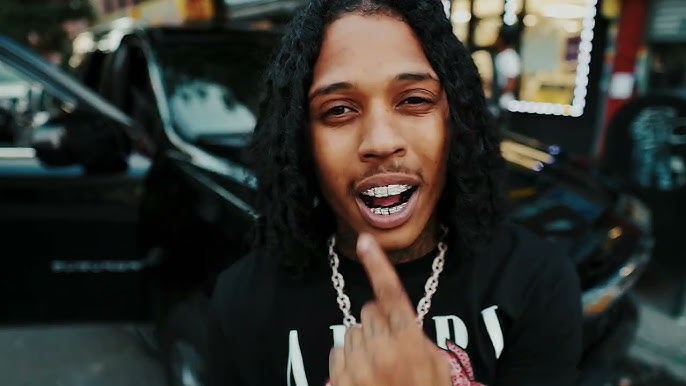
Reports spreading across Instagram and X allege that Bronx drill rapper DThang Gz, whose legal name is Daniel Collins, was arrested in Miami on charges of possessing marijuana, cocaine, and a firearm. Social media users also claimed Collins is a convicted felon, a designation that would make firearm possession a serious offense under both state and federal law.
If the allegations are accurate, Collins could face significant legal exposure. Under 18 U.S.C. § 922(g), individuals with prior felony convictions are prohibited from possessing firearms or ammunition. Convictions under the statute often carry mandatory prison terms and substantial fines. Florida statutes closely mirror these prohibitions, amplifying the potential consequences.
DThang Gz Arrested In Miami On Possession & Firearm Charges
The reported narcotics charges further complicate matters. Cocaine possession typically qualifies as a felony, particularly when prosecutors allege intent to distribute. While marijuana enforcement varies, possession tied to a firearm or harder narcotics often heightens sentencing exposure. Prosecutors in similar cases have sought enhancements under drug-and-gun statutes, raising penalties when firearms and narcotics are found together.
However, as of late September, no official court records or law enforcement statements confirm Collins’ reported Miami arrest, leaving the allegations unverified. The claims echo broader controversies surrounding Collins’ legal history.
In May 2022, Bronx District Attorney Darcel Clark announced a 65-count indictment charging nearly three dozen alleged members of the River Park Towers gang, known as RPT. Authorities accused defendants of shootings, attempted murders, gang assaults on Rikers Island, and even livestreamed animal cruelty. Investigators noted members frequently referenced firearms and violence in drill music videos, often taunting rivals online.
At the time, Clark criticized the use of rap as a vehicle to glorify violence. They called for Bronx artists to redirect their platforms toward community building.
Collins’ name surfaced in connection with those indictments, underscoring the ongoing scrutiny of his career at the intersection of music and criminal law.
Leave a Reply