
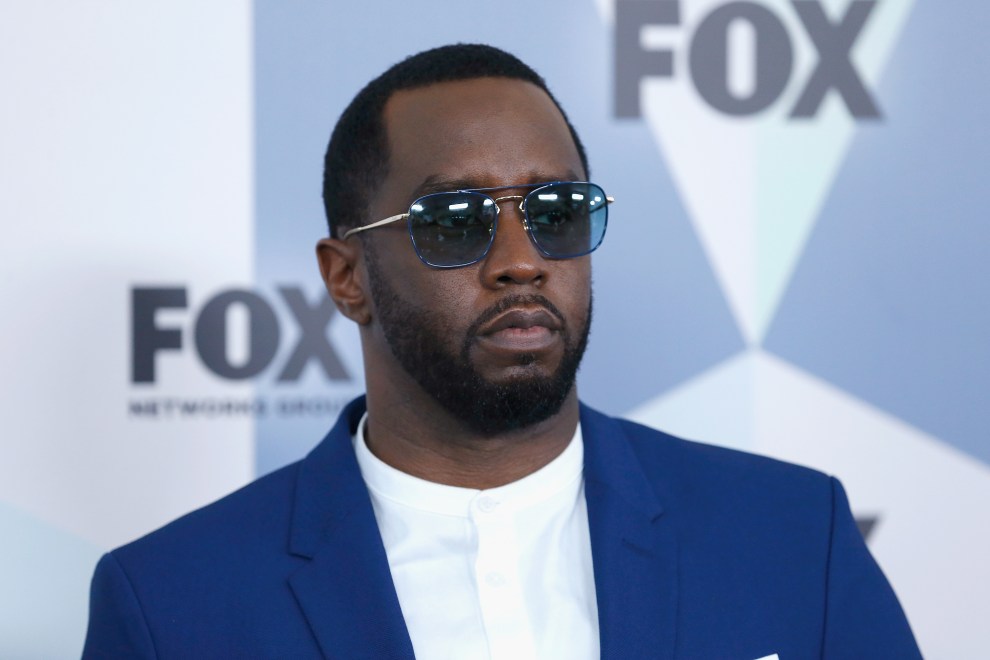
Michael Oberlies, Sean “Diddy” Combs’ longtime personal videographer, has addressed the swirling rumors surrounding Netflix’s Sean Combs: The Reckoning. Produced by 50 Cent, the four-part series has captured widespread attention. It features interviews with figures from Diddy’s past, including members of his inner circle and alleged victims. It also includes previously unreleased footage of the music mogul speaking with his attorney, Marc Agnifilo, shortly before his arrest.
The appearance of this unseen material prompted speculation about its origins. Some suggest it arose from a “fee dispute or contract issue.” Oberlies, however, clarified that the controversy occurred during his temporary absence from work. He emphasized that it was not tied to any contractual disagreement.
Speaking to Rolling Stone, Oberlies said, “For over two years, we have been diligently compiling a project centered around Sean ‘Diddy’ Combs. The footage in question was not authorized by me or anyone within the rightful channels handling his material. It was instead shared through a third party who temporarily filled in for me while I was out of state. This incident is unrelated to any alleged contract issues or payment disputes. The behavior of those involved reflects poorly on the standard of integrity that every storyteller should uphold. Utilizing footage meant for our project to forge an agenda outside our own signifies not just ethical breaches but also a disregard for our essential narrative.”
Diddy’s Reaction to the Docuseries
After the series debuted, Diddy’s team publicly criticized the production, calling it a “shameful hit piece.” They emphasized that the footage had never been authorized for public release. They also stressed Diddy’s years of careful work to preserve his own narrative. The statement framed Netflix’s use of the material as unfair and unlawful, portraying it as a violation of his intellectual property rights.
Netflix, for its part, defended the series. They asserted that all footage was obtained legally and that standard industry practices were followed throughout production.
Leave a Reply