
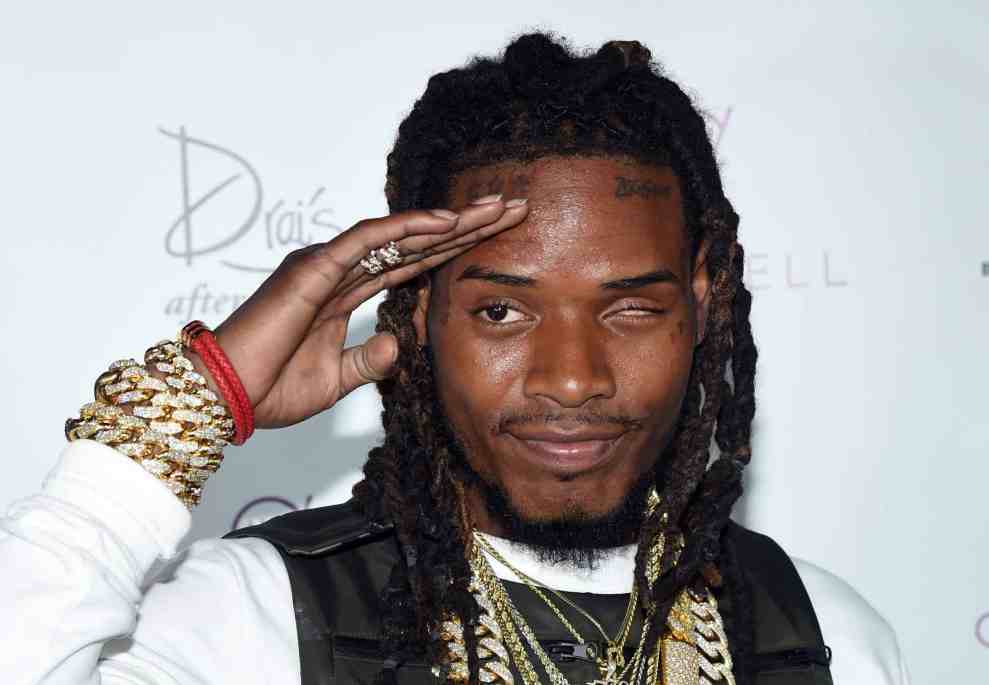
Fetty Wap’s journey extends far beyond the success of his 2015 hit “Trap Queen.” Now serving a federal sentence, the rapper—born Willie Maxwell II—has become a symbol of resilience and a focal point in conversations around justice reform and redemption.
In 2022, he was sentenced for conspiring to distribute more than 500 grams of cocaine. As a first-time, non-violent offender, Fetty’s case has fueled criticism of mandatory minimum sentencing laws, which limit judicial discretion and often ignore personal growth or context. Advocates argue his punishment disregards his remorse and rehabilitation efforts.
Supporters say his case reflects deeper injustices in the legal system, especially for people of color and first-time offenders. They point to his story as part of a broader call to end harsh sentencing practices that favor punishment over second chances.
The #FreeFettyWap campaign has become a rallying cry across social media. Fans, artists, and activists are using TikTok and Instagram to amplify his case and push for clemency. His music—especially songs like “Forever” and the “Birthday” remix—has become a vehicle for solidarity, with streaming seen as support for his artistry and resilience.
The campaign isn’t just about one artist. It’s about how the system responds to growth, redemption, and the possibility of a new path.
Fetty Wap’s Instagram remains a touchpoint where followers track his mindset and message. A clemency petition continues to gain signatures, urging federal officials to revisit his sentence.
His story is a reminder that mistakes should not erase a person’s worth or legacy. Fetty Wap’s case is about more than music—it’s about transformation and the urgent need for reform.
Fetty Wap supporters believe redemption should be more than a dream; it should be part of justice. According to the Bureau of Prisons website, Fetty’s release date is March 13, 2027.
Leave a Reply