
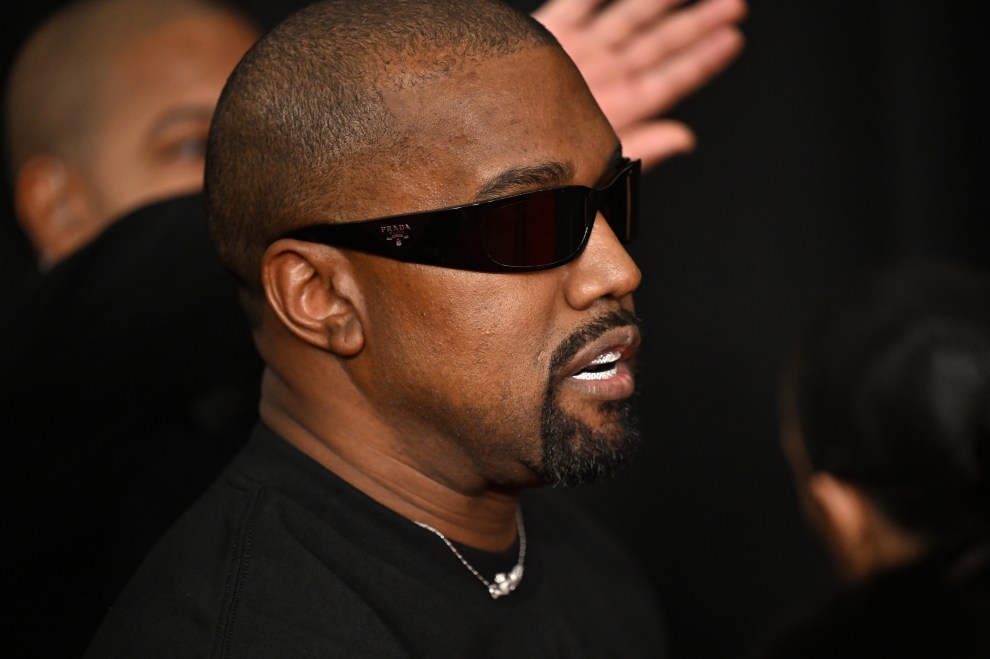
John Monopoly is stepping forward to vouch for Ye, better known as Kanye West, at a critical moment in the mogul’s career.
The longtime friend and manager of Kanye West addressed Ye’s recent public apology, framing it as real growth, not rollout theater. His comments arrive as Ye prepares to release his upcoming album, Bully, amid renewed scrutiny.
Ye sparked conversation after taking out a full-page ad in The Wall Street Journal. In it, he apologized for past antisemitic remarks and reflected on living with bipolar disorder.
The move drew mixed reactions. Some called it overdue. Others questioned motive.
Monopoly rejected the skepticism. “He’s in a great place and taking accountability for the things he says and does,” Monopoly told People.
For Monopoly, the moment felt personal. He spoke from experience, not distance. He has managed Ye since the early 1990s and knows the terrain.
“For the first time in a while, he’s approaching his mental health head-on,” he said. “He really cares and he’s trying to do better.”
Kanye West’s John Monopoly Addresses Ye’s Mental Health Ahead Of ‘Bully’ Album
Monopoly also shared his own history with bipolar disorder. He described stability as fragile and constant work. “The sanity is a thin line,” he said. “Being on the right side matters.”
Their bond runs deep. They met as teenagers. They built music together before fame followed. Monopoly has seen Ye evolve through every era.
“He’s an incredible person who wants to stay on the right path,” he added.
As Bully approaches, critics framed the apology as strategic. Ye pushed back hard. In an email exchange with Vanity Fair, he dismissed any promotional angle.
“I was in the top ten most listened-to artists in the U.S. on Spotify in 2025,” Ye wrote. “That includes last week.”
He also pointed to the demand for Bully, calling it one of Spotify’s most anticipated pre-saves. Graduation, his 2007 album, also dominated hip-hop streams this year.
“This isn’t about reviving my commerciality,” Ye wrote.
Instead, he described regret. “These remorseful feelings sat heavy on my heart,” he wrote.
Ye named Jewish and Black communities as those he hurt. He admitted his words crossed lines. “All of it went too far,” he wrote. “That episode isn’t who I am.”
For Monopoly, the message matters more than the noise. Ye spoke. The work continues.
Leave a Reply