
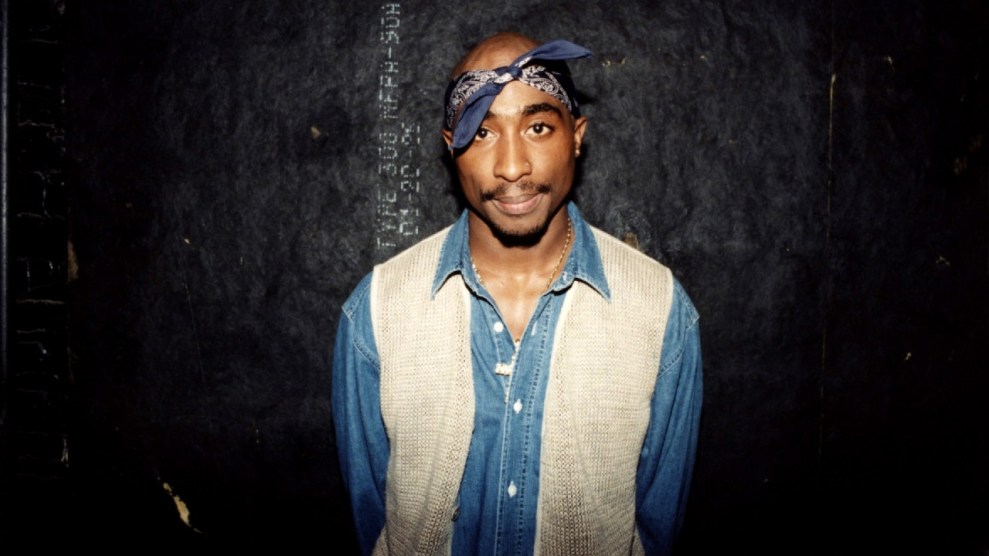
Nearly three decades after Tupac Shakur’s killing in Las Vegas, the case is returning to court with renewed scrutiny focused on Duane “Keefe D” Davis. Davis has long been identified as a central suspect awaiting trial. A recent ruling in Clark County permits portions of Davis’s memoir, Compton Street Legend, to be introduced as evidence, according to CBS 8 News Now. This adds new complexity to an already closely watched proceeding. That development drew attention from both prosecutors and defense attorneys. Meanwhile, the long-running case inches toward trial preparation.
Defense attorneys objected to the inclusion of the memoir and earlier Los Angeles Police Department interviews. They argue that both were subject to prior understandings they believe should keep them out of court. Moreover, they maintain Compton Street Legend blends fact and narrative in ways that could mislead jurors if introduced without careful context. The defense has suggested material risks prejudicing the jury before all evidentiary questions are fully resolved.
Davis case deepens as rulings loom
Prosecutors counter the memoir reinforces their case. They point to passages they say describe Davis’s involvement in events tied to the 1996 shooting of Tupac Shakur. Several key rulings are pending, including whether police interview recordings will be admitted. Additionally, rulings on how jurors will be selected and isolated during trial remain undecided. The trial is scheduled to begin on August 10, and those decisions are expected to shape what the jury ultimately hears.
Outside the courtroom, new allegations have surfaced involving jailhouse recordings in which Davis discusses the case. However, it is not yet clear whether prosecutors will rely on them at trial. In a separate lawsuit, Maurice “Mopreme” Shakur, Tupac’s stepbrother, has filed a wrongful death lawsuit naming Davis and others. He is seeking damages related to the 1996 killing. Over shifting statements, Davis’s account has moved between denial and partial acknowledgment. As a result, courts must weigh inconsistencies as the case approaches its next phase.
Leave a Reply