
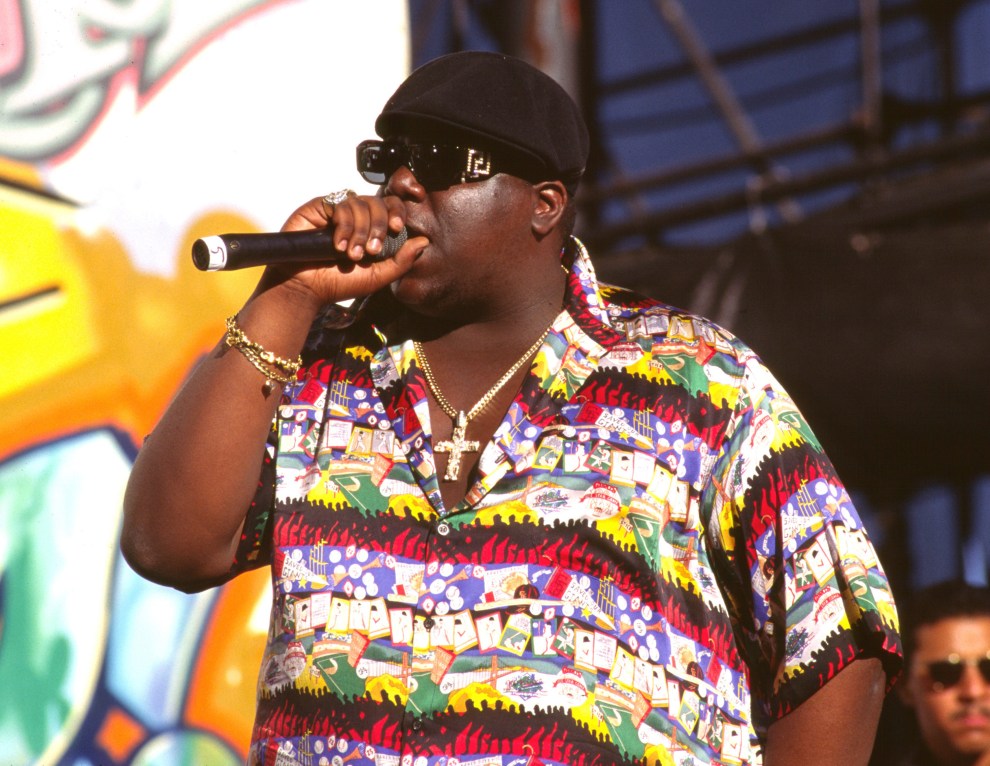
Lil Cease is firing back at critics who have recently labeled certain lyrics from The Notorious B.I.G. as “sus,” defending the late rapper’s legacy against modern interpretations of his work.
During a recent interview with The Art of Dialogue, the Junior M.A.F.I.A. co-founder addressed a long-standing debate regarding a specific line in Biggie’s 1994 track “Me & My Btch.” The controversy centers on a lyric from the “Ready to Die” album where the Brooklyn icon raps a graphic line involving a partner’s father.
Lil Cease Speaks:
While the lyric has been discussed for decades, it has recently resurfaced on social media, with younger listeners questioning the intent behind the words. Cease argued that these modern critiques are largely the result of a generational disconnect and a lack of cultural context. “Sh*t is whack,” Cease said during the interview, expressing his frustration with how social media users dissect classic hip-hop.
He suggested that those who find the lyrics questionable are projecting their own sensibilities onto the music. He further claimed that listeners who do not understand the metaphor or the humor behind the line are “corny.” According to Cease, the specific lyric was never meant to be taken literally. He explained that the line was actually inspired by a joke from legendary comedian Richard Pryor. In the world of 1990s hip-hop, such exaggerated storytelling and punchlines were common tools used by emcees to emphasize a point or shock the audience.
Cease also took aim at the modern “pause” culture, where fans and commentators frequently search for hidden sexual meanings in everyday language or older music. He argued that this hyper-fixation says more about the critics than the artist, adding that the internet’s obsession with labeling things as “sus” is tarnishing the reputation of artists who are no longer here to defend themselves.
The Notorious B.I.G., born Christopher Wallace, remains one of the most influential figures in music history nearly 30 years after his death. Cease, who was one of Wallace’s closest friends and collaborators, has remained a staunch protector of the rapper’s image.
He emphasized that the era in which the music was created had a different set of rules for humor and expression that today’s youth seem to ignore. As digital platforms continue to archive and analyze every moment of hip-hop history, the tension between original intent and modern perception remains a heated topic.
Leave a Reply