
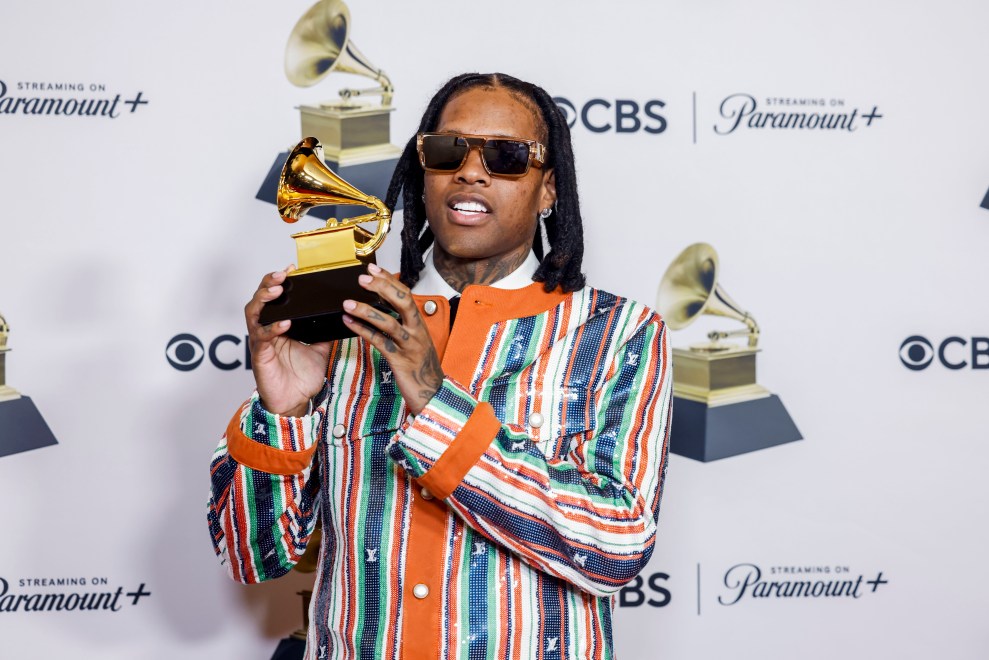
A federal courtroom has become the unlikely setting for a debate that has long followed hip-hop culture: where creative expression ends and criminal evidence begins. Lawyers for Lil Durk are challenging prosecutors who want to use his music against him in an ongoing murder-for-hire trial. At the center of the dispute is whether lyrics and videos can be presented as proof of intent. The case raises broader questions about how art is interpreted within the justice system.
According to Complex, prosecutors intend to introduce nine music videos and three audio recordings associated with Durk and people in his orbit. The material is tied to a violent feud involving fellow rapper Quando Rondo. That conflict escalated after the 2020 killing of King Von, a close associate of Durk, during a confrontation with Rondo’s group. Prosecutors allege that Durk later ordered retaliation, which they say led to a Los Angeles shooting that killed Rondo’s cousin, Saviay’a Robinson.
The government has pointed to specific lyrics it argues reflect a retaliatory mindset. In “All My Life,” his collaboration with J. Cole, Durk raps, “They be on my page like ‘Slide for Von’, I know they trollin me… Got it back in blood, y’all just don’t know, that’s how it ‘posed to be.” Prosecutors say the line captures an emotional response to Von’s death. They argue it aligns with the actions described in their case.
Additional scrutiny has been placed on lyrics that prosecutors claim suggest financial backing for violence. Among them are lines from an unreleased song, “Scoom His Ass,” which authorities say was found on a co-defendant’s phone. The track references Beverly Hills, an area prosecutors note is close to where Robinson was killed. They argue the geographic detail strengthens the connection between the music and the alleged crime.
Whether rap lyrics can be used as evidence
In earlier filings, prosecutors described a “striking similarity” between the lyrics and the facts surrounding Robinson’s death. They have cited past rulings allowing artistic works to be admitted in conspiracy and gang-related trials. Excluding the material, they contend, would prevent jurors from weighing statements they believe reflect real-world behavior. The government maintains the music meets the standard for admissible evidence.
Durk’s defense team has filed motions seeking to keep the lyrics out of the trial. They argue the material would unfairly prejudice a jury by inviting assumptions about the artist’s character rather than focusing on evidence. The defense also questions when the songs were written and who authored the lyrics. Without that context, they say, the court cannot reliably link performance to alleged conduct.
To support their argument, the defense has turned to Erik Nielson, a scholar and co-author of Rap on Trial: Race, Lyrics, and Guilt in America. Nielson has argued that the language cited by prosecutors reflects genre conventions rather than literal admissions. His analysis challenges the idea that Durk’s music should be treated differently from other fictional or stylized art forms. The court must now decide how much weight, if any, creative expression should carry in a criminal trial.
Leave a Reply