
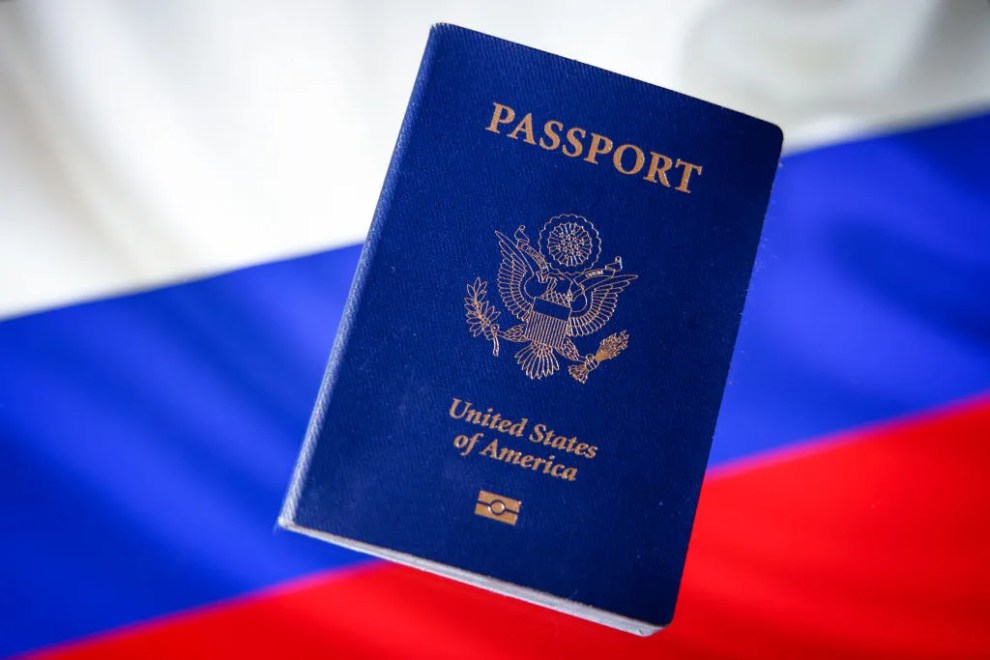
Thousands of parents who fall behind on child support payments could soon lose their passports under an expanded federal enforcement effort, officials said Thursday.
The U.S. State Department plans to begin revoking passports for individuals with significant unpaid child support, marking a shift in how a decades-old law is enforced. The move is expected to begin with the most severe cases before expanding to a broader population.
Initially, the policy will target parents who owe $100,000 or more in unpaid child support. Officials estimate roughly 2,700 passport holders fall into that category.
The program will later expand to include parents who owe more than $2,500, a threshold established under a 1996 federal law that has historically been underutilized.
Expansion of Existing Law
Federal law has long allowed the government to deny or revoke passports for individuals with substantial child support arrears. The measure stems from the Personal Responsibility and Work Opportunity Reconciliation Act of 1996.
Until now, enforcement typically occurred when individuals applied for a new passport or renewal. The updated policy allows officials to act proactively, using data from the Department of Health and Human Services.
Officials say the goal is to increase compliance and ensure children receive financial support.
“We are expanding a commonsense practice that has been proven effective,” said Assistant Secretary of State for Consular Affairs Mora Namdar.
“Once these parents resolve their debts, they can once again enjoy the privilege of a U.S. passport,” Namdar added.
Authorities noted that individuals who settle their debts or arrange payment plans can have their passport privileges restored.
Impact and Enforcement
The expanded enforcement could affect tens of thousands of Americans, though exact figures are still being compiled by federal and state agencies.
Parents who are abroad when their passports are revoked will still be able to return home. They can obtain limited emergency travel documents from U.S. embassies or consulates.
The policy builds on an existing program that officials say has already helped collect hundreds of millions of dollars in unpaid child support since its launch in 1998.
Government officials emphasized that the effort is not punitive, but corrective.
“We are taking this action precisely to impel these parents to do the right thing,” the State Department said in a statement.
Advocates for child welfare say the measure could provide stronger incentives for compliance, particularly for those who have avoided payment while maintaining the ability to travel internationally.
The rollout is expected to begin immediately, with broader enforcement phases anticipated in the coming months.
Leave a Reply