
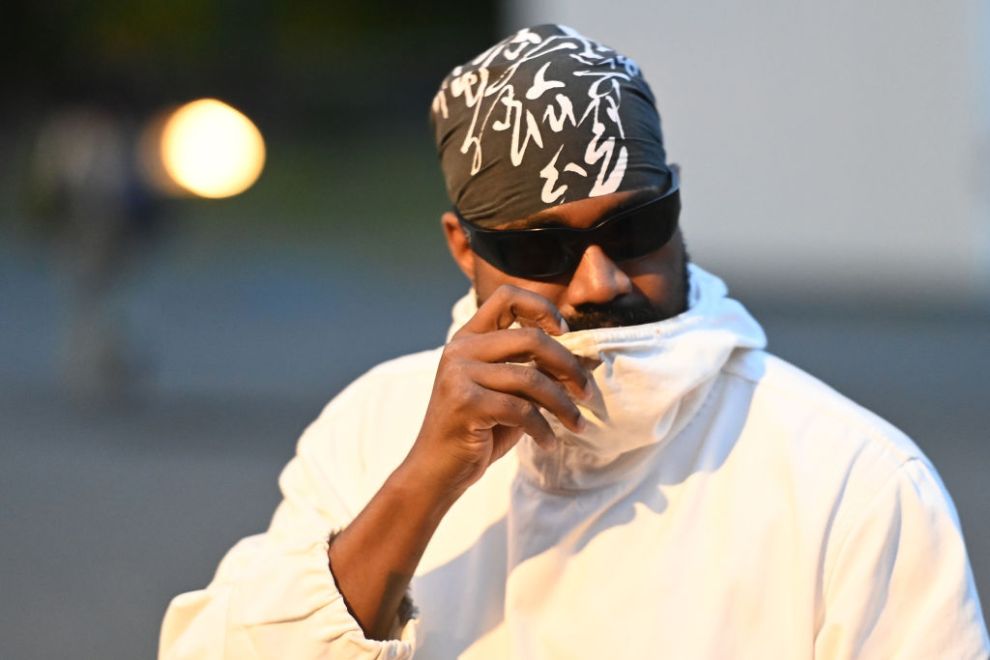
Dutch authorities have cleared Ye (formerly known as Kanye West) to enter the Netherlands for two concerts set for June 6 and 8. This decision arrives amid lingering criticism over his past antisemitic statements. Bart van den Brink, the country’s asylum and migration minister, confirmed the ruling to AFP on Wednesday. He emphasized that current information did not justify barring his entry. “Once I have such information, I will proceed accordingly. Based on what is currently known to me, I have no indication that an entry ban can be applied in this case,” he said. This signaled that Ye’s scheduled performances would proceed as planned.
The announcement follows a sharp contrast in the United Kingdom, where the Home Office denied Ye permission to appear at the Wireless Festival this week. Within hours, festival organizers confirmed the cancellation of the event. “As a result of the Home Office banning YE from entering the United Kingdom, Wireless Festival has been forced to cancel,” they posted on Instagram. “All ticket holders will receive an automatic full refund.” The abrupt decision highlighted the ripple effect of policy on international live performances.
Ye Seeks to Make Amends, Promising Action Beyond Words
In response to the controversy, Ye indicated he wanted to meet with London’s Jewish community to address concerns directly. “To Those I’ve Hurt: I’ve been following the conversation around Wireless and want to address it directly. My only goal is to come to London and present a show of change, bringing unity, peace, and love through my music,” he wrote. “I know words aren’t enough – I’ll have to show change through my actions. If you’re open, I’m here. With Love, Ye, formerly known as Kanye West.”
Earlier this year, he issued a more detailed apology in The Wall Street Journal. He reflected on a period he described as “losing touch with reality.” In that piece, he admitted, “Things got worse the longer I ignored the problem. I said and did things I deeply regret. In that fractured state, I gravitated toward the most destructive symbol I could find, the swastika, and even sold T-shirts bearing it.” The statements underscore his effort to publicly acknowledge and take responsibility for the actions that sparked international backlash.
Leave a Reply