
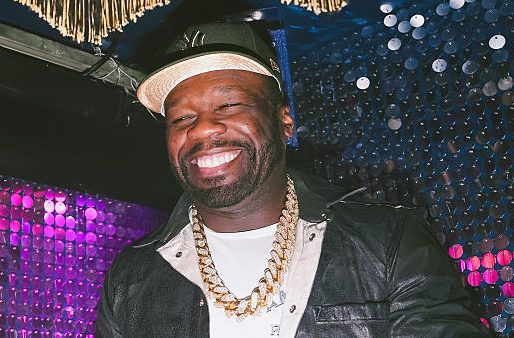
Clayton Howard, a former sex worker, has filed a lawsuit disputing how his story was presented in the Netflix docuseries Sean Combs: The Reckoning, produced by Curtis “50 Cent” Jackson. Since its release last month, the series has drawn sustained attention for its interviews with people connected to Sean “Diddy” Combs. It has also featured others who say they were harmed by him. Howard, who appears in the documentary, now says the finished project reshaped his account in ways he neither expected nor consented to. He argues that the edit left viewers with a version of events that no longer reflected his lived experience.
According to court filings reviewed by Billboard, Howard claims his testimony was selectively altered to recast Cassie Ventura—whom he identifies as his primary trafficker—in a sympathetic role. In the lawsuit, he states, “The defendants deliberately edited, distorted, and misrepresented plaintiff’s account to present Cassie Ventura as a victim while omitting critical evidence of plaintiff’s sex trafficking by Ventura. This misrepresentation has severely tarnished my reputation.” Howard contends that crucial context was removed, changing the meaning of what he shared on camera. Moreover, he maintains that the resulting portrayal misled audiences and damaged his credibility.
The complaint goes further, alleging that the editorial choices served interests beyond storytelling. Howard argues that the depiction advanced Jackson’s long-running conflict with Diddy while protecting someone he accuses of trafficking for commercial benefit. He says his account was sidelined in favor of a cleaner narrative that better fit the series’ larger arc. In his telling, the edits were strategic rather than incidental.
A legal battle that challenges who controls the narrative
As part of the lawsuit, Howard is asking Netflix to issue a disclaimer alerting viewers that the series may contain edited material that does not fully represent the underlying testimony. He is also seeking damages tied to reputational, emotional, and financial harm. As of now, neither Netflix nor 50 Cent has responded publicly to the filing. The case remains active.
Howard’s claims build on an earlier lawsuit filed in July, in which he accused both Ventura and Diddy of participating in his sex trafficking. That complaint includes allegations of emotional distress, economic loss, and physical harm, including claims involving an STD and a terminated pregnancy. A judge has allowed Howard to pursue alternative methods of serving Ventura after standard attempts proved unsuccessful. Together, the filings add another layer of legal scrutiny to an already contested public narrative.
The dispute arrives amid renewed debate over authorship and accountability in high-profile documentary filmmaking. As Howard seeks to reclaim control of his story, the case raises familiar questions about power, profit, and representation in true crime and celebrity media. Ultimately, how the lawsuit unfolds may help clarify where editorial discretion ends—and responsibility begins—when real lives are shaped for a streaming audience.
Leave a Reply