
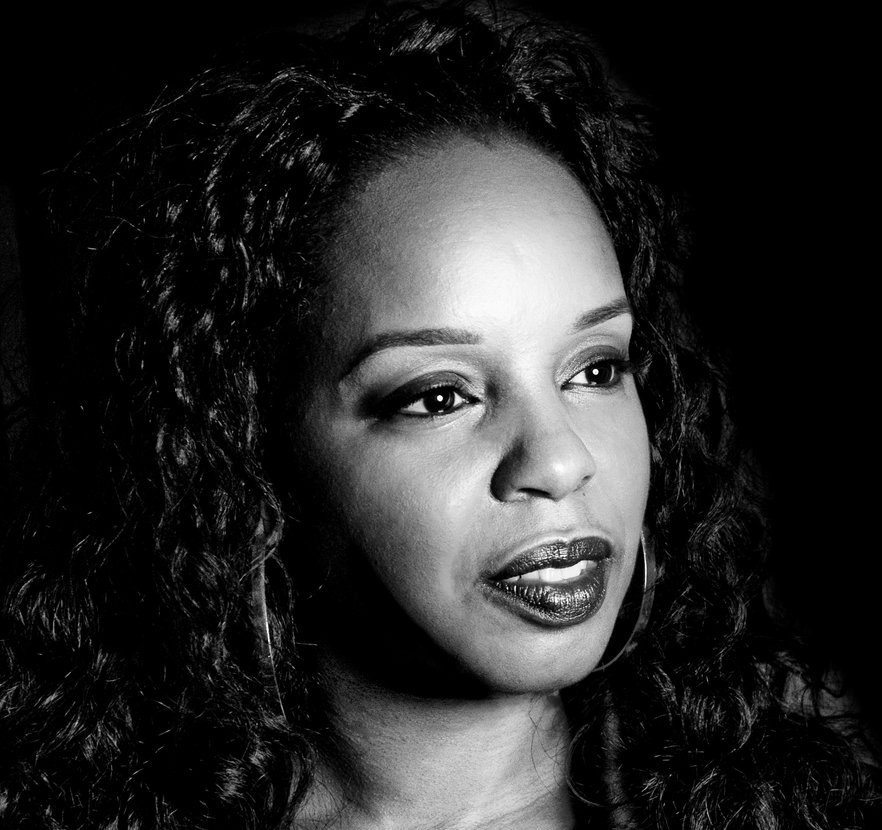
Newark, New Jersey, rap legend Rah Digga is stirring debate about power and accountability in the music business after a pointed post aimed at industry titan Clive Davis. The former Busta Rhymes protégé and Flip Mode Squad member took to X on April 21 with a message that quickly circulated across hip-hop circles.
“When are we getting the Surviving Clive Davis doc?” Rah Digga tweets.
When are we getting the Surviving Clive Davis doc? They gotta wait for him to pass b4 we get THAT level of scandal I reckon…
— Rah Digga (@therealrahdigga) April 21, 2026
When are we getting the Surviving Clive Davis doc? They gotta wait for him to pass b4 we get THAT level of scandal I reckon…
The rapper’s inquiry invokes the format popularized by Surviving R. Kelly and the widely discussed Sean Combs: The Reckoning. Her wording frames the idea as both a critique and a challenge, suggesting that figures with long-standing influence may not face the same public scrutiny while they remain active.
She pushed the point further in the same post. “They gotta wait for him to pass b4 we get THAT level of scandal I reckon…” she added.
Rah Digga, Busta Rhymes-Protege/Flip Mode Squad Member, Questions Where’s The “Surviving Clive Davis” Documentary
The implication creates deeper industry revelations often surface only after powerful executives lose their influence. The statement reflects a broader skepticism about how institutions handle allegations tied to high-profile figures.
Rah Digga did not cite specific claims against Davis. Instead, her post reads as commentary shaped by decades within the industry.
Davis, whose career spans generations of chart-topping artists, remains one of the most influential executives in music history. His legacy carries both acclaim and the type of scrutiny that often follows long-term power.
The tweet lands at a time when documentary storytelling continues to reshape public discourse around misconduct in entertainment. By placing Davis in that conversation, Rah Digga highlights what she sees as a gap in accountability narratives.
Her remarks also echo a recurring theme within hip-hop: questioning who controls the narrative and when those stories reach the public.
Leave a Reply